

Ultimate Performance & Reliability: NiBK RN1198V Vented Front Rotor for BYD F3 (2005–2025) / L3 (1.8L)
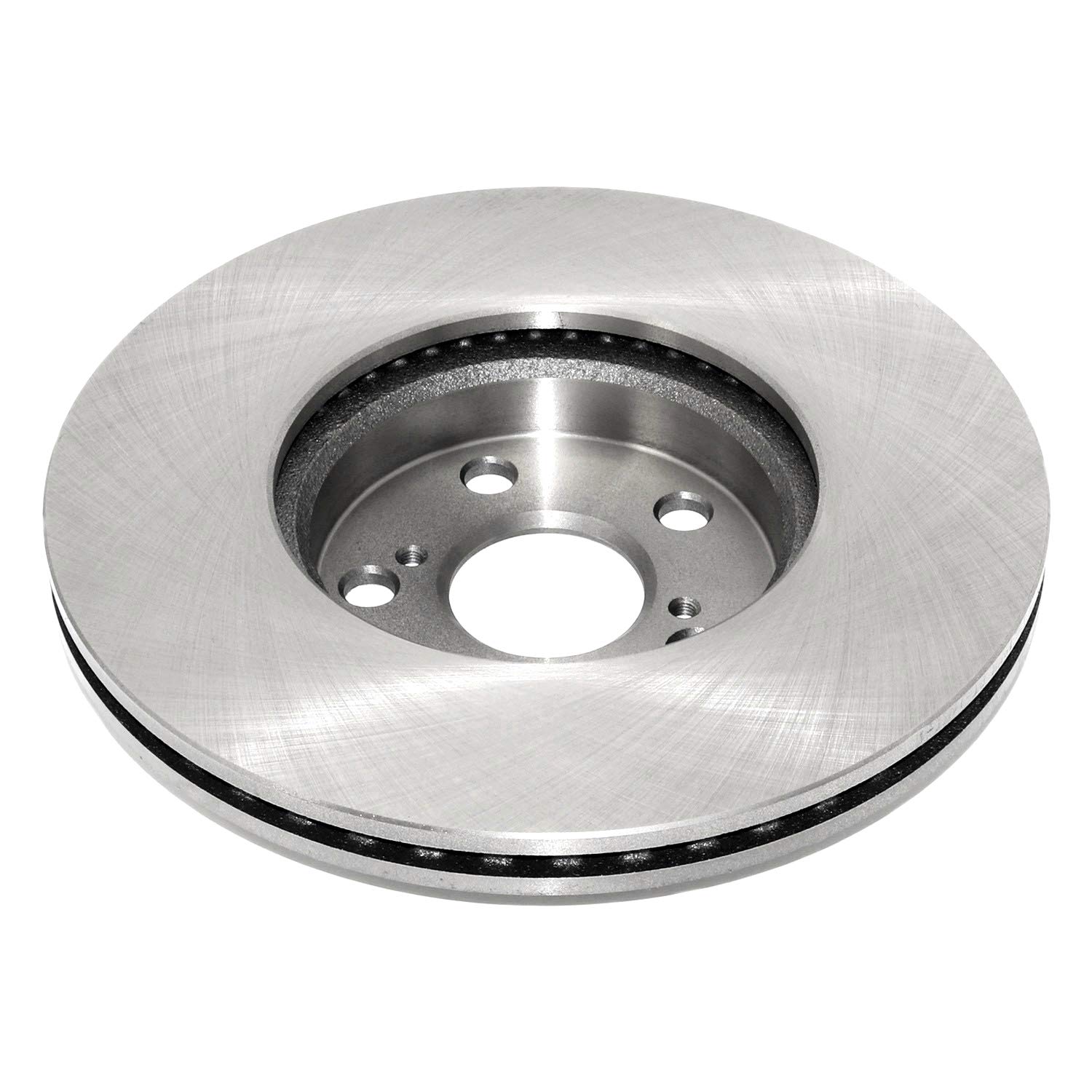
NiBK RN1198V Vented Front Rotor for BYD F3 (2005–2025) / L3 (1.8L) delivers fast heat rejection, consistent runout, and calm pedal feel on compact BYD platforms. Balanced vane geometry pumps air through the core to curb fade, while tight machining controls help prevent judder. Corrosion-protective finishes on the hat and edges resist rust bloom, simplifying future service in coastal or winter regions. Designed to seat cleanly on the hub and pair with OE-style pads, this rotor supports predictable ABS behavior, low noise, and long service intervals—ideal for private owners and fleets seeking reliable, factory-like braking with professional installation. (Basic RN1198V specs available via NiBK’s catalog.)
Did you like this product? Add to favorites now and follow the product.

(+86) 180 07 12 47 38 WhatsApp, Telegram, WeChat
Description
Overview: Purpose-Built Vented Rotor for BYD Platforms
NiBK RN1198V Vented Front Rotor for BYD F3 (2005–2025) / L3 (1.8L) leads this product brief because front-axle thermal management governs how calm, linear, and repeatable daily braking feels. The vented two-plate architecture accelerates airflow through internal passages, shedding heat between stops to protect pad resins and preserve a smooth transfer layer. Dimensional control on lateral runout and rotor-thickness variation helps suppress nuisance vibration after bedding, while balanced castings reduce steering tremor at speed. A rotor that mates cleanly to the hub and runs true is the fastest route to OE-like pedal confidence and fewer comebacks. Baseline geometry and key dimensions for RN1198V are documented in NiBK’s application listing.
Fitment & Geometry: Accuracy that Installs Cleanly
NiBK RN1198V Vented Front Rotor for BYD F3 (2005–2025) / L3 (1.8L) follows OE dimensions for hat depth, pilot diameter, bolt pattern, and nominal thickness, so the disc seats fully on a clean hub without persuasion. Tight tolerances on parallelism and face finish create a stable friction window during the first hundred kilometers, when the transfer film is forming and the system is most sensitive. Vent passage geometry is matched for efficient pumping yet retains mass where it supports thermal capacity. Installers who verify hub cleanliness, torque lug nuts in a star pattern, and begin bedding with staged stops typically report a quiet, predictable pedal from the first drive.
Materials & Casting Quality: The Foundation of Stability
NiBK RN1198V Vented Front Rotor for BYD F3 (2005–2025) / L3 (1.8L) uses a gray-iron casting chosen for uniform graphite distribution and controlled hardness—key to crack resistance, stable damping, and consistent wear with modern pad compounds. Foundry and machining discipline keep rotor-thickness variation small, the main contributor to low-speed judder in service. A consistent microstructure supports a smooth transfer film, protecting the face from hotspots that print as pedal pulsation later. The result is a rotor that feels composed in traffic and steady at highway speed, with less noise-related troubleshooting for busy bays. NiBK’s RN1198V catalog entry provides reference dimensions and positioning in BYD applications.
Cooling Performance: Why Vented Design Matters
NiBK RN1198V Vented Front Rotor for BYD F3 (2005–2025) / L3 (1.8L) channels air through internal vanes, increasing convective surface area and creating a pump effect that expels hot boundary layers. Better cooling keeps friction in its designed temperature band, limiting fade and protecting pad resins from glazing. During descents or repeated urban stops, temperature stability also preserves adhesive bonds and reduces rotor oxidization that can roughen the face. Balanced vane mass helps avoid thermal “hot rings,” and a controlled face finish supports even bedding. The outcome is calmer ABS modulation, quicker recovery between stops, and braking that feels composed across seasons.
Surface Finish & Coatings: Protection and Bedding
NiBK RN1198V Vented Front Rotor for BYD F3 (2005–2025) / L3 (1.8L) arrives with a clean, consistent finish that promotes rapid transfer-film formation with matched pads. Anti-corrosion coatings on the hat and outer edges fight red rust in humid or coastal regions, improving appearance through service and easing later disassembly. A carefully controlled Ra on the braking surface reduces early-life squeal and uneven torque output. Shops appreciate rotors that need minimal prep—just hub cleaning and a solvent wipe—before mounting, torquing, and the road-test bedding sequence. Reference application specs for RN1198V confirm vented type and core dimensions.
Runout, Thickness Variation & Pedal Calm
NiBK RN1198V Vented Front Rotor for BYD F3 (2005–2025) / L3 (1.8L) is machined to hold lateral runout and rotor-thickness variation within tight targets so the pad sees uniform engagement across the sweep. When DTV stays small, the system avoids stick–slip events that cause low-speed moan and long-pedal complaints. Paired with a flat, contamination-free hub and correctly torqued wheels, the rotor retains that true, calm character far beyond the first thousand kilometers. If a pulsation develops later, measure DTV and inspect for pad imprinting; a brief re-bedding sequence often restores smoothness without parts swapping. Cross-checking RN1198V dimensions against vehicle references protects bay time.
Pad Pairing: Friction Compatibility for BYD F3 & L3
NiBK RN1198V Vented Front Rotor for BYD F3 (2005–2025) / L3 (1.8L) is engineered to work with OE-style ceramic or low-metallic formulations commonly specified for these platforms. A stable transfer layer is your ally: it lowers wear, reduces noise, and maintains torque consistency. Aggressive abrasives can score rotors; over-lubrication can glaze pads. The sweet spot is a compound that beds quickly, maintains μ in rain and heat, and cleans up evenly after heavy stops. Match pad compressibility and chamfer geometry to the caliper’s characteristics and keep slides free; the rotor’s smoothness will then show up as a calmer cabin and predictable pedal.
NVH Behavior: Quiet by Design
NiBK RN1198V Vented Front Rotor for BYD F3 (2005–2025) / L3 (1.8L) contributes to low noise by maintaining uniform face hardness and finish, which supports equal leading/trailing edge engagement as the pad sweeps the disc. When runout and thickness variation are minimized, stick–slip that creates squeal and moan has fewer opportunities to grow. The vent core is balanced to avoid harmonic amplification, and careful machining keeps imbalance within tight spec to reduce steering-wheel tremor at speed. With proper pad shims, fresh anti-rattle clips, and clean abutments, the system’s natural damping keeps everyday braking pleasantly hushed.
Bedding Procedure: Establishing the Film
NiBK RN1198V Vented Front Rotor for BYD F3 (2005–2025) / L3 (1.8L) benefits from a simple bedding sequence: perform moderate decelerations from neighborhood speeds with airflow cool-downs between events; avoid long holds on hot brakes during the first few hundred kilometers. The measured heat-up lays down an even transfer film, reducing the risk of patchy deposits that cause judder. It also stabilizes friction so light, quiet stops feel the same as firm, confident ones. Shops that standardize bedding across vehicles report fewer early-life returns and faster customer confidence—practical wins that turn precision castings into predictable results.
Seasonal Consistency: Wet, Cold & Hot
NiBK RN1198V Vented Front Rotor for BYD F3 (2005–2025) / L3 (1.8L) is finished to shed moisture quickly; once the pads sweep the face, μ recovers fast from rain, fog, or car-wash films. In cool mornings, roundness and compressibility keep the first stop calm rather than grabby, while summer heat cycles are absorbed without harsh glazing if bedding is respected. Occasional fresh-water rinses help prevent road-salt buildup around the hat and vents in winter regions. For coastal use, corrosion-protected hats keep the assembly looking tidy between services, supporting wheel-well aesthetics and easing later disassembly.
Installation Discipline: Best Practices that Pay Off
NiBK RN1198V Vented Front Rotor for BYD F3 (2005–2025) / L3 (1.8L) performs best when installed on a truly flat, clean hub face. Wire-brush rust scale, measure hub runout, and verify rotor runout with a dial indicator; correct with indexing if needed. Replace worn hardware and apply a small amount of high-temp, silicone-safe lubricant to slide pins—never to friction faces. Torque wheels in a star pattern with calibrated tools to protect parallelism. After bedding, recheck lugs. These basics transform precision castings into quiet, linear braking that holds its character past the first thousand kilometers.
Diagnostics & Troubleshooting: Fix Causes, Not Symptoms
NiBK RN1198V Vented Front Rotor for BYD F3 (2005–2025) / L3 (1.8L) rarely causes NVH by itself when installed on a clean, flat hub with healthy hardware. If pulsation appears, measure thickness variation and inspect pad imprinting; short heat-soak holds after hard stops can mark the face. Clean the hub mating surface meticulously; a flake of rust can mimic “warp.” Confirm wheel torque and check slide freedom. If squeal occurs, inspect shim condition and pad chamfers; glaze can be corrected with controlled re-bedding. System fixes beat parts darts, and disciplined checks protect both customer time and shop reputation.
Urban Duty: Low-Pressure Control
NiBK RN1198V Vented Front Rotor for BYD F3 (2005–2025) / L3 (1.8L) supports calm take-up at crosswalks and roundabouts, where drivers judge refinement. The smooth face finish and balanced mass produce predictable μ at tiny inputs, avoiding the grab-release sensation that annoys passengers. Frequent shallow stops keep dust bake-on minimal when the transfer film is healthy, so wheels stay brighter between washes. Because the BYD F3/L3 platforms are light and responsive, consistency at low pressure matters as much as peak torque—quiet civility that owners notice immediately after service.
Highway Manners: Heat, Fade & Recovery
NiBK RN1198V Vented Front Rotor for BYD F3 (2005–2025) / L3 (1.8L) balances core thickness and vane profile to maintain thermal mass without unnecessary weight. That mass stores heat during single severe stops and spreads it across more iron, lowering peak temperatures that age pads and hardware. On long downhill grades, consistent core cooling curbs fade and reduces the chance of resin-smell episodes. Linear response supports ABS modulation, keeping the vehicle composed when braking hard at speed. After heavy use, even cool-down discourages imprint-related vibration, so the next drive feels smooth.
Cost-Per-Kilometer: Value Beyond the Box
NiBK RN1198V Vented Front Rotor for BYD F3 (2005–2025) / L3 (1.8L) contributes to low TCO by preserving pads, resisting hotspot growth, and staying quiet in daily use. Time saved at install—clean hub seat, fast bedding, minimal diagnosis—multiplies across a fleet. For private owners, a rotor that helps the car feel “factory-fresh” after service increases satisfaction and reduces the temptation to experiment with mismatched friction. Standardized spec across BYD F3 and L3 simplifies inventory and speeds turnaround in busy shops, creating a predictable rhythm for parts planning and labor allocation.
Quality & Standards Context (Authority Sources)
NiBK RN1198V Vented Front Rotor for BYD F3 (2005–2025) / L3 (1.8L) sits within broader materials frameworks used across the supply chain. ASTM International provides common testing and materials language that underpins steels and cast irons used in braking hardware; consult ASTM resources for context on metals and quality processes. The World Steel Association offers authoritative data on steel production and sustainability. For approachable metallurgy background relevant to stainless clips/shields near the rotor, see Stainless steel – Wikipedia. These sources help connect material properties to road feel and durability.
BYD L3 1.8L Notes: Geometry & Service
NiBK RN1198V Vented Front Rotor for BYD F3 (2005–2025) / L3 (1.8L) matches L3 hub geometry, hat offset, and bolt pattern documented across RN1198V application listings. In suburban commutes mixing light inputs with occasional firm stops, a stable transfer film supports low-noise manners with ceramic pads, while balanced vents keep temperatures in range on rolling terrain. Document rotor thickness and pad depth at each service, and schedule a 100–200 km quick check to confirm contact and quietness. Technicians who clean abutments, refresh clips, and verify slider freedom preserve OE-like behavior over the service interval.
BYD F3 Notes: Platform Harmony
NiBK RN1198V Vented Front Rotor for BYD F3 (2005–2025) / L3 (1.8L) pairs with OE-style front calipers on F3 models to deliver linear torque and steady steering feedback when installed on a true hub. If taper wear appears later, revisit slider freedom, abutment cleanliness, and wheel-torque practices before blaming the disc. Keep an eye on wheel-bearing play; looseness can masquerade as rotor issues. When pads and rotors are refreshed together, drivers typically report an immediate return to the composed, OE-like pedal character expected from this compact platform. RN1198V fitment references are available in NiBK’s catalog.
Rotor Care: Cleaning & Appearance
NiBK RN1198V Vented Front Rotor for BYD F3 (2005–2025) / L3 (1.8L) benefits from simple care. After rain or a wash, a short drive lets pads sweep moisture from the faces, preventing surface rust that can feel gritty at the next stop. Rinse wheels with neutral pH shampoo rather than acidic cleaners that attack finishes and hardware. In winter regions, a gentle under-car hosing removes salt from around the hat and vents. During seasonal tire swaps, inspect rotors for scoring, blueing, or unusual dust patterns—quick checks that catch small issues before they become complaints.
Storage & Handling: Preserving Quality
NiBK RN1198V Vented Front Rotor for BYD F3 (2005–2025) / L3 (1.8L) should be stored flat, dry, and away from solvents; avoid stacking on uneven surfaces that could stress the hat. Don’t touch working faces with oily gloves. Before installation, wipe both sides with approved solvent, then confirm shim adhesion and clip seating during pad fitting. A clean bay—free of swarf and grit—prevents contaminants from scoring the new rotor during the first road test. These quiet disciplines are why some shops deliver consistently hushed, linear results regardless of vehicle age.
Packaging & Logistics: Arriving Ready
NiBK RN1198V Vented Front Rotor for BYD F3 (2005–2025) / L3 (1.8L) ships with protective liners and corrosion-resistant wrapping to keep faces clean in transit. Cartons sized for efficient stacking reduce handling risks and speed receiving checks. Inside the box, simple instructions outline bedding and torque patterns so installers achieve the intended result on the first attempt. For export, desiccants and moisture indicators inside master cartons help preserve condition over sea voyages, so the set that reaches the service bay performs exactly as designed.
Technician Tips: Fast, Quiet Results
NiBK RN1198V Vented Front Rotor for BYD F3 (2005–2025) / L3 (1.8L) becomes a near plug-and-play experience with four habits: clean the hub until it shines; measure runout and index if necessary; torque wheels in sequence with calibrated tools; and bed the system with moderate stops and cool-downs. Add fresh hardware where wear is evident and remind drivers to avoid long holds on hot brakes during the first week. Those steps turn consistent castings into consistently satisfied customers—and a calmer service schedule.
Counter Checks: Protect Bay Time
NiBK RN1198V Vented Front Rotor for BYD F3 (2005–2025) / L3 (1.8L) should be cross-verified before opening bay time: confirm silhouette, pilot size, hat depth, and bolt pattern against VIN or OE references. Ensure the boxed rotor matches the expected vent type and finish, and bring torque values plus approved lubricants to the work area. If rotors approach minimum thickness or faces are deeply grooved, plan replacements rather than resurfacing that risks rapid return. With measurements recorded on the work order, future diagnostics become fast, fact-based decisions.
Fleet Value: Predictable Planning
NiBK RN1198V Vented Front Rotor for BYD F3 (2005–2025) / L3 (1.8L) helps fleets meet uptime targets by reducing diagnostic callbacks and standardizing parts across shared platforms. Predictable bedding and quiet operation minimize early returns, while rotor-friendly pad pairing extends service intervals. Managers gain steadier inventory turns and fewer rush orders, and drivers enjoy the tangible benefit of a steady pedal and calm steering during long shifts. That reliability of NiBK RN1198V Vented Front Rotor for BYD F3 (2005–2025) / L3 (1.8L) builds trust in both the parts counter and the shop that stands behind the install.
Seasonal Road Tests & Handover
NiBK RN1198V Vented Front Rotor for BYD F3 (2005–2025) / L3 (1.8L) should be road-tested with a sequence of gentle to moderate decelerations, building temperature gradually. The expected feel is calm initial bite and linear torque without graunch. Provide the driver with bedding guidance, caution against long holds on hot brakes, and invite a quick recheck if vibration appears. Fleet vehicles benefit from capturing driver impressions alongside technician notes; the pairing often reveals small setup tweaks that improve the next install and keep brake feel consistent across units.
BYD Platform Harmony: System Balance
NiBK RN1198V Vented Front Rotor for BYD F3 (2005–2025) / L3 (1.8L) supports linear hydraulic response when compressibility and geometry are matched to piston area and rotor thickness on these platforms. Even pad contact across the face signals healthy load distribution; if taper wear appears, revisit slides, abutments, and torque practices. Pair the rotor with discs and pads that meet thickness and runout limits to prevent nuisance judder and intermittent squeal later in the interval. Balanced system elements mean straighter stops and more predictable pedal feedback.
Why Choose This Rotor for BYD F3 & L3 (1.8L)
NiBK RN1198V Vented Front Rotor for BYD F3 (2005–2025) / L3 (1.8L) blends thermal mass, clean machining, and balanced vent geometry to deliver the composed, OE-like braking character BYD owners expect. From the first stop of the morning to a hot descent at day’s end, stability shows up as a steady pedal, true steering feel, and quiet confidence. For workshops, predictable install flow and low comebacks make it a dependable line item; for drivers, it’s the simple satisfaction of brakes that feel right—every time.
Authoritative External References
- FMVSS 135 – Light-Vehicle Brake Systems (eCFR)
- FMVSS 105 – Hydraulic & Electric Brake Systems (eCFR)
- UNECE Vehicle Regulations (incl. R90 for replacement brake linings)
Helpful Internal Links
Additional information
| Make | BYD |
|---|---|
| Brand | NiBK |
| Part number | RN1198V |
| Position | Front |
| Rotor type | Vented |
| Dimensions (mm) | Ø 255 |
| PCD (mm) | 100 |
| Thickness new/min (mm) | — / 23 |
| OEM numbers | 17.03.1500F3026X, 3501102, 8101117 |
| Compatible models/years | F3 2005–2025, L3 1.8L 2010–2025 |
Related products


Buy Genuine Toyota Rear Brake Pad Kit 04466-02310 – Corolla (~2009–2019) / Matrix (2012–2014) | OEM Comfort, Quiet Braking, Long Life
Original price was: $64.00.$50.00Current price is: $50.00.



G-SPARTS – Leading Auto Parts Supplier Since 2009
Trusted by 1000+ Clients Worldwide | Chinese (BYD, Geely, Chery, …), Japanese (Toyota, Honda, Nissan, …), European (BMW, Mercedes, VW, …) & American (Ford, Chevrolet, Tesla, …) Car Spares | Best Prices & OEM Quality | 15+ Years Expertise | Professional Team, Fast Global Shipping
Copyright 2025 © G-Sparts All Rights Reserved. | Premium Chinese Auto Parts Supplier – Worldwide Shipping | Best Prices on OEM & Aftermarket Spares

Reviews
There are no reviews yet.