
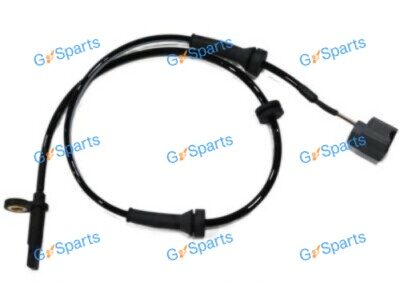
Genuine Nissan ABS Sensor 47910-4CE0A – 2014–2017 Nissan Rogue (Front (typically FL/FR)) – Premium OEM Replacement & Installation Guide
ABS Sensor for 2014–2017 Nissan Rogue – Front (typically FL/FR). OEM 47910-4CE0A with 2-wire, magnetic sensor for stable braking and safety.
Did you like this product? Add to favorites now and follow the product.

(+86) 180 07 12 47 38 WhatsApp, Telegram, WeChat
Description
Restore factory ABS function on your 2014–2017 Nissan Rogue with this OEM-equivalent wheel speed sensor (Part 47910-4CE0A, Front (typically FL/FR)). The durable 2-wire, magnetic sensor design feeds accurate wheel speed data to ABS/ESC systems, reducing wheel lock-up and improving control during hard stops. Supported by trusted aftermarket brands: Denso, ATE, Bosch, Standard Motor Products. Front wheel position; check for compatibility with your vehicle. Always confirm by VIN, axle location, and connector style before ordering.
Overview: why this guide exists and who it’s for
This guide is designed for technicians, DIY enthusiasts, and purchasing managers who need a concise, authoritative reference about the Nissan ABS Sensor 47910-4CE0A. Whether you are diagnosing an ABS fault light, planning a preventive maintenance schedule, or ordering parts for a busy shop, the content here focuses on practical decision-making: verifying fitment, testing the component, installing properly, and validating the repair. The sensor is a safety-critical component, so understanding the consequences of misdiagnosis, the value of VIN verification, and the importance of inbound checks will save labor and avoid comebacks.
Component fundamentals: what the sensor does in the braking system
At a technical level, the Nissan ABS Sensor 47910-4CE0A measures wheel rotational speed and transmits a pulsed electrical signal to the ABS control module so it can determine slip and modulate hydraulic pressure as needed. The sensor’s electromagnetic element senses a tone ring or reluctor attached to the wheel hub, producing voltages proportional to rotation. This small device plays an outsized role: if it fails, the ABS cannot detect wheel lockup accurately and the system will either disable itself or behave unpredictably. Understanding this core function helps technicians appreciate why precise gap, clean mounting surfaces, and correct electrical continuity are essential for restoring proper ABS operation after a replacement.
Recognizing symptoms: dashboard indicators and driving behavior
Common symptoms that indicate a failing Nissan ABS Sensor 47910-4CE0A include illuminated ABS or traction control warning lamps, unexpected ABS activation during normal stops, or a change in how the vehicle stabilizes under hard braking. Occasionally, drivers report odd behaviors such as inconsistent traction control intervention or a pulsating brake pedal unrelated to routine ABS modulation. In many cases the first sign is a warning light followed by diagnostic trouble codes stored in the ABS module. Early recognition of these symptoms allows a targeted diagnostic approach rather than replacing parts blindly, so the correct root cause—whether electrical, mechanical, or sensor-related—gets addressed efficiently.
Initial diagnostics: scanner, visual checks, and quick tests
Begin diagnosing the system by scanning the ABS module for codes and freeze-frame data that point to the wheel circuit in question. A visual inspection around the wheel hub for the Nissan ABS Sensor 47910-4CE0A is immediately informative: check the sensor connector for corrosion, the harness for rubbing or pinching, and the tone ring for missing teeth. A quick continuity check or resistance measurement with a multimeter often rules out gross failures, and a quick wiggle test of the harness while observing live data can reveal intermittent faults. These initial steps are inexpensive and reduce the chance of replacing a perfectly good sensor when the actual issue is wiring or a corroded connector.
Electrical testing: resistance checks and continuity verification
Resistance testing is a practical first electrical check for the Nissan ABS Sensor 47910-4CE0A; measuring across the sensor’s terminals with a multimeter gives a quick pass/fail indication relative to factory tolerances. An open reading suggests an internal break while a short reading indicates internal coil damage. Measuring continuity from the sensor connector back to the ABS control module checks for wiring breaks. While resistance tells part of the story, waveform capture with an oscilloscope or an advanced scan tool that displays live wheel speed pulses provides a clearer view of signal integrity. Combining these tests reduces wasted parts swaps and improves diagnostic confidence.
Oscilloscope diagnostics: waveform interpretation for professionals
For shops equipped with an oscilloscope, capturing the waveform produced by the Nissan ABS Sensor 47910-4CE0A while the wheel is turned is the gold standard for diagnosing ambiguous faults. A clean, regular sinusoidal or pulsed waveform indicates a healthy sensor and proper air gap; waveform irregularities reveal contamination, damaged tone rings, or grounding problems. Comparing left-right waveforms simplifies identification of asymmetric issues that might not clear fault codes. Although oscilloscope use requires training, investing in this capability turns time-consuming guesswork into precise troubleshooting, especially for intermittent faults that otherwise result in repeat visits.
Mechanical checks: tone ring condition and mounting surface inspection
Mechanical factors can degrade sensor performance even when the sensor itself is electrically sound. Inspect the tone ring closely for rust, missing teeth, or physical deformation near the mounting surface of the Nissan ABS Sensor 47910-4CE0A. Corrosion between the sensor face and tone ring, or metal shavings embedded at the sensor tip, can dramatically reduce signal amplitude. Cleaning the bore and ensuring the mounting surface is flat and free of debris often restores proper functioning without part replacement. Attention to these mechanical details prevents unnecessary costs and preserves the integrity of the new sensor once installed.
Connector and harness repair: common failure points and fixes
Connector damage, crushed harnesses, or rodent-chewed wires frequently cause intermittent ABS faults and are often misdiagnosed as sensor failures. Isolate the Nissan ABS Sensor 47910-4CE0A connector, inspect for bent pins, and test for water ingress. Back-probing while rotating the wheel demonstrates if the connector maintains a stable signal under vibration. Repairing the connector or replacing terminal ends is usually a lower-cost, sustainable fix compared to swapping sensors. Proper routing and protective sleeving after repair also prevent recurrence, which is a crucial step for durable outcomes in both fleet and consumer vehicles.
Preparing for replacement: tools, workspace, and safety measures
Before replacing a sensor, prepare a clean work area with the proper tools: torque wrench, appropriate sockets, a scanner for post-install validation, soft brushes for cleaning, and quality replacement fasteners if needed. Always support the vehicle securely on stands or a lift and follow manufacturer safety guidance. Wear gloves to avoid contaminating the sensor tip and have dielectric grease available if the sensor manufacturer recommends it for connector protection. These prep steps streamline the Nissan ABS Sensor 47910-4CE0A replacement and reduce the risk of post-install issues caused by rushed or sloppy work.
Step-by-step installation: removing and replacing the sensor correctly
To replace the Nissan ABS Sensor 47910-4CE0A, remove the wheel and access the sensor mounting location at the hub. Disconnect the electrical plug, unbolt the sensor retaining screw, and gently extract the old sensor; avoid prying on the housing to prevent damage. Clean the bore and mating surfaces of corrosion and debris, insert the new sensor to the correct depth ensuring proper alignment, then torque the mounting screw to spec. Reconnect the harness securely, reseat any protective clips, and clear stored ABS codes. Correct mechanical seating and connector integrity are essential to restore reliable wheel speed data to the ABS module.
Post-install testing: clearing codes and validating wheel speed data
Once the Nissan ABS Sensor 47910-4CE0A is fitted, clear ABS-related fault codes with a diagnostic scanner and monitor live data to confirm wheel speed pulses are present and responsive to vehicle motion. Some ABS modules perform self-checks or require a simple drive cycle to relearn; validate this behavior according to manufacturer guidance. If the ABS warning lamp returns after clearing, re-check the connector seating, wiring continuity, and tone ring condition. Completing these post-install checks ensures the repair solved the underlying issue and gives technicians documented evidence of a successful fix.
OEM vs aftermarket: quality, fitment, and warranty considerations
When choosing a replacement for the Nissan ABS Sensor 47910-4CE0A, consider OEM parts for guaranteed fitment and factory tolerances, which reduce installation mysteries and potential callbacks. Reputable aftermarket brands can provide cost-effective alternatives, but quality varies widely; check that the aftermarket sensor matches connector pinout, mounting geometry, and resistance specifications. Warranty terms and supplier reputation are vital selectors—vendors who provide clear return procedures and test data reduce procurement risk and maintain shop profitability when sourcing replacement sensors.
Fitment and VIN verification: why it matters every time
VIN-based verification is the fastest way to avoid ordering the wrong Nissan ABS Sensor 47910-4CE0A. Even within a single model year, trim variants or mid-cycle changes can alter sensor mounting details or connector types. Always confirm fitment with the vehicle’s VIN to ensure the sensor aligns with the tone ring profile and electrical pinout. Vendors that offer VIN checks on their product pages reduce order errors and returns. For professional shops, making VIN confirmation part of the procurement workflow minimizes downtime and ensures first-time-right repairs.
Cross-references and superseded part numbers to watch for
Manufacturers occasionally supersede part numbers due to engineering updates, and aftermarket catalogs sometimes reference multiple equivalent IDs for the same component. When ordering a Nissan ABS Sensor 47910-4CE0A, check cross-reference charts and supplier notes for superseded or alternate numbers that guarantee compatibility. This is especially important if the vehicle had prior repairs or if the original sensor shows a different stamped number. Cross-reference diligence avoids fitment surprises and prevents unnecessary reverse logistics when a slightly different sensor is shipped by mistake.
Inbound inspection: what to check before installation
On receipt of the Nissan ABS Sensor 47910-4CE0A, perform inbound quality checks: verify part numbers and packaging seals, inspect the connector pins for straightness, compare the sensor’s length and mounting boss to the removed unit, and measure resistance for continuity. Photograph any discrepancies for warranty claims if needed. These quick inspections save a shop from wasted labor by catching shipping damage or incorrect parts before they reach the vehicle. Trusted suppliers know these checks shorten repair cycles and typically support returns when problems are documented promptly.
Pricing strategy and procurement tips for shops
Sensor pricing can vary by supplier, OEM vs aftermarket status, and warranty length. For the Nissan ABS Sensor 47910-4CE0A, shops should balance per-unit cost with the risk of comebacks—paying slightly more for OEM reliability often reduces labor costs associated with returns. Consider vendor policies for bulk ordering and trade accounts that include extended returns or net terms. Nissan ABS Sensor 47910-4CE0A Maintaining a selective stock of high-turn items and using VIN verification for each order optimizes working capital while minimizing the disruption caused by incorrect parts.
Environmental effects and durability considerations
Exposure to road salt, mud, and heat cycles affects sensors and connectors over time. The Nissan ABS Sensor 47910-4CE0A will be most reliable when mounted in a clean bore, with connectors protected from moisture ingress. In corrosive climates, recommend periodic inspections of the hub, tone ring, and harness. Using protective conduit and ensuring proper routing reduces the risk of premature sensor failure. Factoring in local environmental conditions into maintenance recommendations helps fleet managers and owners prevent ABS-related roadside incidents.
Preventive maintenance practices to extend service life
Routine inspections during brake service or tire rotation can detect early wear on the Nissan ABS Sensor 47910-4CE0A. Clean the sensor bore, check the tone ring for buildup, and inspect harness routing and connector seals. Lubricate connectors where appropriate with dielectric grease to repel moisture and reduce corrosion. Adopting these simple preventive measures during scheduled maintenance intervals extends sensor life, reduces unexpected downtime, and keeps ABS and stability control systems operating as intended.
Troubleshooting intermittent faults that return sporadically
Intermittent ABS faults that reappear after replacement often point to wiring harness issues, poor grounding, or tone ring contamination rather than the sensor itself. For the Nissan ABS Sensor 47910-4CE0A, back-probing the harness while inducing wheel motion helps expose transient disconnects. Wiggle tests under vibration conditions and comparing live data between wheels can isolate whether the problem is mechanical, electrical, or module-related. Systematic troubleshooting prevents repeated parts replacement and saves shops both time and money.
Documentation and logging: best practices for warranty and service records
Record resistance readings, waveform screenshots, and VIN confirmation when replacing a Nissan ABS Sensor 47910-4CE0A. These records support warranty claims and provide a clear service history for customers, which is especially valuable for fleet managers tracking maintenance costs. Detailed documentation also helps identify recurring patterns that suggest broader systemic issues, like recurring harness damage on a specific model. Good record-keeping improves shop credibility and simplifies handling of any future disputes about part performance.
Product page recommendations to drive conversions and reduce returns
Optimize the product page for the Nissan ABS Sensor 47910-4CE0A with prominent VIN lookup, high-resolution images showing the connector and tip, and clear specifications including resistance values. Display warranty info and an easy return policy near the price. Add a troubleshooting checklist and installation video to educate buyers and reduce returns caused by improper installation. These elements build buyer confidence, shorten the decision-making process, and boost first-time-right installations by equipping customers with the information they need.
Schema and structured data suggestions for SEO visibility
Use Product schema for the Nissan ABS Sensor 47910-4CE0A, including SKU, manufacturer, and GTIN if available. Add Offer markup to show price and availability and include AggregateRating if verified reviews exist. Providing structured fitment data and a VIN lookup microformat helps search engines match the SKU to user queries about specific vehicle fitment. Proper schema increases the likelihood of rich snippets and improves click-through rates, which in turn drives more qualified traffic from organic search to the product page.
Visual assets and media advice to support sales and support
Include multiple images of the Nissan ABS Sensor 47910-4CE0A: connector close-up, tip with scale reference, and a photo of the part installed in the hub. Short, focused installation videos that demonstrate safe removal and proper gap checking reduce support calls and return rates. Use descriptive alt text containing the exact part number to improve image search visibility. These visual assets help both DIY customers and professional buyers confirm fitment and build trust in the listing’s accuracy.
Cross-sell and upsell opportunities to boost average order value
When customers view the Nissan ABS Sensor 47910-4CE0A, offer related items such as harness repair kits, dielectric grease, tone ring cleaning tools, and replacement fasteners. Bundle offers for replacing both front sensors or including a diagnostic scan service can increase average order value while ensuring the repair is comprehensive. Thoughtful cross-sells that align with the repair task make customers more likely to leave the shop with everything they need, reducing follow-up visits and improving satisfaction.
Final pre-delivery checklist for technicians and shops
Before handing the vehicle back to the customer, confirm the Nissan ABS Sensor 47910-4CE0A is torqued to spec, connectors are secured and sealed, wheel speed readings are consistent across all wheels, and the ABS light remains off after a short road test. Provide the customer with a copy of the service notes, VIN confirmation, and any measurements taken. This pre-delivery checklist documents the professional service performed and reassures the customer that the braking system has been restored to safe operating condition.
Closing summary: the value of correct diagnosis and authentic parts
The Nissan ABS Sensor 47910-4CE0A is a compact but critical component that directly affects braking safety and vehicle stability systems. Accurate diagnosis — combining scanner data, electrical checks, mechanical inspection, and, when needed, oscilloscope analysis — ensures the right repair is made the first time. Sourcing authentic parts, verifying fitment by VIN, and following meticulous installation and testing procedures protect drivers and reduce costly comebacks. For shops and buyers alike, adopting these best practices around sensor replacement maintains safety, operational efficiency, and customer trust.
External Links (ABS Sensor Education & References)
Internal Links (Keep Users on G-Sparts)
Related products



G-SPARTS – Leading Auto Parts Supplier Since 2009
Trusted by 1000+ Clients Worldwide | Chinese (BYD, Geely, Chery, …), Japanese (Toyota, Honda, Nissan, …), European (BMW, Mercedes, VW, …) & American (Ford, Chevrolet, Tesla, …) Car Spares | Best Prices & OEM Quality | 15+ Years Expertise | Professional Team, Fast Global Shipping
Copyright 2025 © G-Sparts All Rights Reserved. | Premium Chinese Auto Parts Supplier – Worldwide Shipping | Best Prices on OEM & Aftermarket Spares

Reviews
There are no reviews yet.