
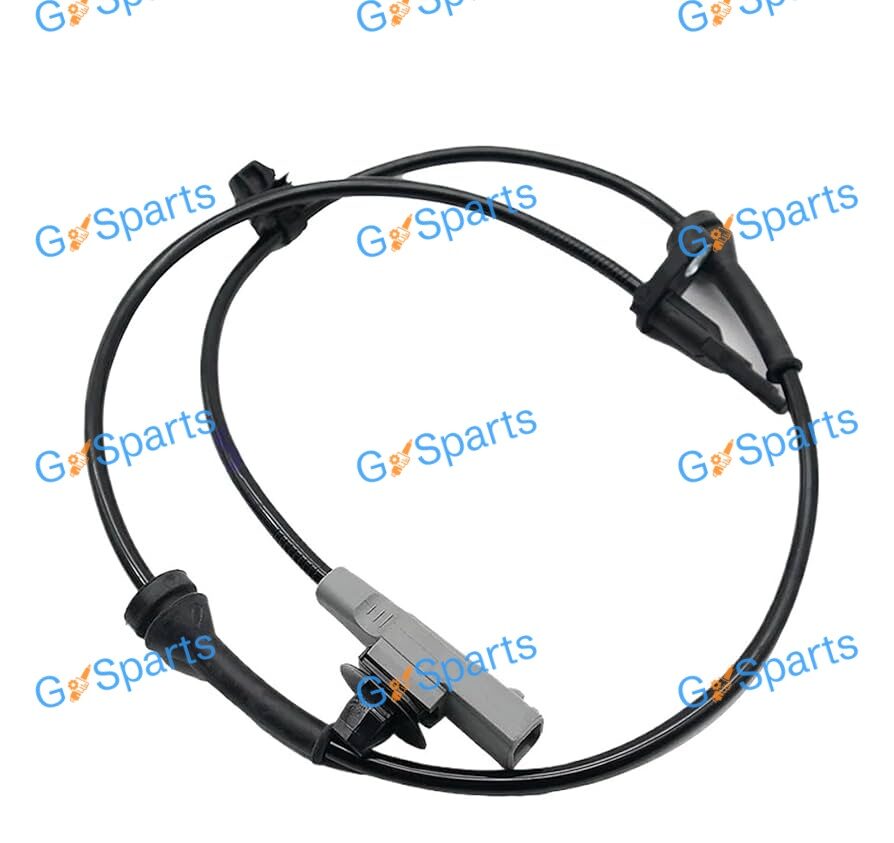
Genuine Nissan ABS Sensor 47910-5RA0A – Premium Replacement & OEM Guide – 2018–2025 Nissan Altima, Maxima (Front (typically FL/FR))
ABS Sensor for 2018–2025 Nissan Altima, Maxima – Front (typically FL/FR). OEM 47910-5RA0A with 2-wire, magnetic sensor for stable braking and safety.
Did you like this product? Add to favorites now and follow the product.

(+86) 180 07 12 47 38 WhatsApp, Telegram, WeChat
Description
Restore factory ABS function on your 2018–2025 Nissan Altima, Maxima with this OEM-equivalent wheel speed sensor (Part 47910-5RA0A, Front (typically FL/FR)). The durable 2-wire, magnetic sensor design feeds accurate wheel speed data to ABS/ESC systems, reducing wheel lock-up and improving control during hard stops. Supported by trusted aftermarket brands: Denso, ATE, Bosch, Standard Motor Products. Front wheel position; verify fitment before purchase. Always confirm by VIN, axle location, and connector style before ordering.
Overview: Why this guide matters for owners and technicians
The modern automotive repair shopper wants clear, authoritative information that connects product fit, performance, and installation guidance. For anyone researching the Nissan ABS Sensor 47910-5RA0A this guide consolidates what matters most: what the part does, how to identify failures, how to test and replace it safely, and how to make an informed buy from a trusted supplier like G-Sparts. The ABS sensor is a small but crucial component of the anti-lock braking system, and misdiagnosing it can lead to unnecessary parts swaps or lingering ABS warnings.
What the part is and its role in vehicle safety
At its core the Nissan ABS Sensor 47910-5RA0A is an electronic speed sensor designed to monitor the rotational velocity of a front wheel and relay that data to the vehicle’s ABS and traction control modules. When functioning correctly it helps the ECU prevent wheel lock-up during braking, modulate braking pressure in low traction conditions, and feed stability control algorithms. Because it directly influences braking safety systems, the sensor’s electrical integrity, mounting, and alignment must be correct. A failing sensor can cause ABS lamp illumination, degraded traction control, or intermittent speed readings that confuse the ECU — making accurate diagnosis and proper replacement essential for safe operation and to maintain vehicle systems integrity.
How the ABS sensor works technically in the anti-lock system
Functionally the Nissan ABS Sensor 47910-5RA0A operates as a wheel speed transducer: it senses a toothed tone ring or reluctor and converts magnetic pulses into an electrical signal proportional to wheel speed. That signal is routed to the ABS control module where it’s compared to other wheel speeds; the module uses the differences to detect slip and adjust hydraulic pressure through the ABS pump and valves. The electrical characteristics like signal amplitude, waveform shape, and grounding are critical — poor connections, corroded terminals, or a compromised sensor body can distort or remove the signal entirely. Understanding the signal path helps technicians interpret oscilloscope traces or multimeter readings and isolate the issue to the sensor, harness, or wheel hub assembly.
Common failure symptoms to watch for on the road
Drivers and technicians commonly recognize a faulty Nissan ABS Sensor 47910-5RA0A by a small set of recurring symptoms: illuminated ABS or traction control warning lights, intermittent or constant ABS faults, inconsistent speedometer behavior in rare cases where the cluster uses wheel sensors, or ABS engagement at inappropriate times. Additionally, some users report minor brake pulsation or degraded stability control performance during slip conditions. These symptoms can appear suddenly or develop gradually as a sensor becomes intermittent. Knowing the symptom signature helps avoid unnecessary replacements: wiring issues, corroded connectors, or rubbing tone rings produce similar codes and should be checked before replacing a sensor.
Diagnostic workflow: quick checks before replacing the sensor
Before replacing the Nissan ABS Sensor 47910-5RA0A it’s both prudent and efficient to follow a diagnostic checklist: scan for ABS trouble codes and freeze frame data, visually inspect the sensor connector and harness for corrosion or damage, check the reluctor ring for missing teeth or heavy corrosion, and perform a resistance test or oscilloscope trace on the sensor signal to confirm output under rotation. Many intermittent faults are caused by wiring faults or contamination rather than the sensor element itself. A systematic workflow reduces parts waste and customer costs, and it preserves the credibility of the service provider by demonstrating due diligence prior to ordering replacement components.
How to test the sensor electrically and mechanically
Testing the Nissan ABS Sensor 47910-5RA0A requires both electrical and mechanical checks. Use a digital multimeter to check sensor resistance against expected values in service manuals — an open or short indicates a failed sensor. For dynamic testing, an oscilloscope while rotating the wheel provides waveform detail, showing whether pulses are consistent and strong. Mechanical checks include inspecting the mounting face for debris, ensuring proper gap to the reluctor ring, and confirming the tone ring teeth are intact and free of damage. If available, swapping a known-good sensor or harness can isolate the fault rapidly. Proper testing prevents unnecessary part swaps and ensures the repair addresses the root cause.
OEM versus aftermarket: performance and risk analysis
Purchasers deciding between an OEM Nissan ABS Sensor 47910-5RA0A and aftermarket equivalents should weigh warranty, fitment, and long-term reliability. OEM sensors are built to the original design tolerances, which reduces the chance of fitment-related issues during installation and often come with a manufacturer warranty. Quality aftermarket parts may match performance at lower price points but vary by supplier; poor machining, incorrect connector terminals, or substandard sealing can cause early failures. For mission-critical safety parts such as ABS sensors, many shops and discerning DIYers opt for OEM or proven aftermarket brands that provide traceability and clear return policies to minimize risk.
Fitment and vehicle compatibility explained for buyers
Fitment matters: the Nissan ABS Sensor 47910-5RA0A is mapped to specific vehicle platforms and production ranges, commonly used on front wheel positions for certain Nissan models. Verifying compatibility by VIN or OEM parts lookup is essential because sensors vary by tone ring geometry, connector pinout, and mounting bracket. Fitment tools on dealer parts sites and reputable parts retailers will confirm whether the sensor is correct for a particular VIN and trim level. Entering the correct VIN when ordering from a parts supplier like G-Sparts eliminates guesswork and reduces the return rate by ensuring the replacement matches the vehicle’s original configuration and any mid-cycle engineering changes are accounted for. parts.nissanusa.com+1
Cross-reference and superseded part numbers buyers should know
When specifying a Nissan ABS Sensor 47910-5RA0A it helps to know related or superseded part numbers so buyers can cross-reference alternatives. Manufacturers occasionally update part numbers or supersede older items; reputable listings will show previous numbers they replace. Having the original part number from the vehicle and any superseded IDs on hand helps parts specialists find direct OEM matches or verified aftermarket drop-in replacements. Cross-referencing avoids mismatches where a sensor fits physically but doesn’t communicate correctly due to differences in wiring or reluctor profile. This attention to detail keeps installation timelines short and minimizes comebacks for returns or electromagnetics mismatches.
Installation overview: prep, safety, and torque considerations
Proper installation of the Nissan ABS Sensor 47910-5RA0A begins with vehicle safety: secure the car on jack stands or a lift, chock opposite wheels, and disconnect battery power if required by the service manual. Clean the mounting face thoroughly, inspect the hub and tone ring, and replace any damaged fasteners. When seating the sensor, ensure the air gap matches factory specs for signal integrity and tighten mounting fasteners to the recommended torque to avoid sensor movement or distortion. After installation, reconnect the harness securely and use dielectric grease if recommended by the manufacturer to improve sealing and electrical contact life. Post-installation checks protect the new sensor and ensure long service life.
Tools and supplies every installer should have on hand
A correct Nissan ABS Sensor 47910-5RA0A install is faster and more reliable when technicians have the right tools: a quality scanner for ABS codes and live data, a multimeter or oscilloscope for signal verification, a torque wrench to factory spec, correct socket sizes for sensor fasteners, anti-seize where applicable, and cleaning brushes to remove corrosion from the hub and tone ring areas. Specialty tools like a hub puller aren’t usually needed for front sensor replacement unless other jobs demand it. Organizing these tools before starting reduces downtime and minimizes the chance of rushed work, which can damage the sensor or leave contaminants that shorten service life.
Step-by-step installation walkthrough for a front sensor
A typical replacement sequence for a Nissan ABS Sensor 47910-5RA0A begins with raising and supporting the vehicle, removing the wheel, disconnecting the electrical connector, and removing the sensor retaining screw or bolt. Carefully extract the sensor, avoiding damage to the harness. Clean the sensor bore and examine the tone ring. Insert the new sensor ensuring correct orientation and gap, torque the retaining fastener to spec, and reconnect the electrical plug. Reinstall the wheel, lower the vehicle, and clear any stored ABS codes using a scanner. Finally, perform a short road test to confirm that the ABS and traction control systems remain lamp-free and operate normally under light braking.
How to clear ABS codes and verify repair success
After fitting a Nissan ABS Sensor 47910-5RA0A clearing the ABS fault codes is important to confirm the repair. Use an OBD2 scanner with ABS module access to clear codes and then observe live data to ensure wheel speed readings are present and sensible while moving the vehicle. Some systems require a short drive cycle or wheel rotation check for the module to re-learn; others perform automatic re-calibration. If codes immediately return, recheck harness connections, ground continuity, and sensor gap. A proper verification ensures the ABS light is extinguished and the vehicle’s stability control systems have resumed normal function.
Pricing expectations and factors that influence cost
Cost for a Nissan ABS Sensor 47910-5RA0A varies depending on OEM vs aftermarket, retailer sourcing, and whether the purchase includes warranty or installation services. Genuine OEM sensors typically command a premium but often include dealer-backed warranties and guaranteed fitment. Aftermarket options may cost less but require careful vetting of brand reputation and return policy. Shipping speed, regional taxes, and whether the item is sold as one sensor or as part of an assembly can also swing the price. For budget-conscious buyers, comparing a reputable online retailer with local dealer pricing — while confirming VIN fitment — usually yields the best total cost of ownership for this safety-critical part. Nissan Parts Deal+1
Where to source authentic parts and avoid counterfeit units
Sourcing an authentic Nissan ABS Sensor 47910-5RA0A means buying from authorized dealers, established OEM parts distributors, or trusted aftermarket vendors that provide clear fitment information and return policies. Avoiding counterfeit parts reduces safety risk and prevents early failures that lead to comebacks and wasted labor. Indicators of reputable sources include VIN-based fitment confirmation, visible manufacturer branding, clear warranty language, and positive buyer feedback. For brick-and-mortar purchases, ask the parts counter to verify the sensor against the VIN; for online purchases, use seller ratings and documented return windows to protect your purchase. This procurement diligence protects both consumer safety and service provider reputation. parts.nissanusa.com+1
Warranty, returns, and what to expect from G-Sparts policies
Customers purchasing a Nissan ABS Sensor 47910-5RA0A from G-Sparts should expect transparent warranty terms and a straightforward returns process that reflects the part’s safety-critical nature. Warranties typically cover manufacturing defects and early-life failures, and OEM parts may come with factory-backed guarantees. G-Sparts’ product pages should clearly state warranty duration, return procedures, and whether the sensor is eligible for replacement only or full refund if fitment issues arise. Clear policy language builds customer trust, reduces friction in order-to-install cycles, and encourages repeat business by removing uncertainty for installers and DIY customers alike.
Aftermarket selection tips: brands, ratings, and build quality
Selecting an aftermarket Nissan ABS Sensor 47910-5RA0A requires focus on measurable quality indicators: supplier reputation, detailed part specifications that confirm matching connector pinout and tone ring profile, as well as user reviews from verified buyers. Prefer vendors who publish resistance and output specs, provide high-resolution photos of the connector and mounting face, and offer warranty coverage. Avoid listings with vague descriptions or photos that appear generic. Choosing a brand with documented testing and a clear return policy minimizes the risk of downtime for professional shops that need reliable turnarounds and consistent part performance.
Common causes of sensor damage and how to prevent them
Damage to a Nissan ABS Sensor 47910-5RA0A commonly stems from road debris, corrosion from moisture ingress, improper cleaning methods, or impact during wheel/hub work. Preventive steps include careful handling during brake jobs, using dielectric grease on connectors (where recommended), ensuring proper debris shields are intact, and replacing damaged tone rings promptly. For fleet vehicles or cars operated in corrosive climates, periodic inspections during service intervals detect early degradation. Nissan ABS Sensor 47910-5RA0A Reducing physical stress to the sensor during suspension and brake work keeps it functioning longer and reduces the likelihood of premature replacement.
Troubleshooting intermittent ABS faults and harness issues
Intermittent ABS faults often masquerade as sensor failures when the underlying problem is a damaged harness, broken pin, or connector corrosion. Troubleshooting a Nissan ABS Sensor 47910-5RA0A in these cases requires careful back-probing of the connector, wiggle tests while observing live data, and checking for continuity and proper grounding. Oxidized contacts can create high-resistance connections that fail under vibration, producing intermittent signals. Repairing the harness or replacing the terminal ends — instead of the sensor itself — is often the correct remedy when tests show inconsistent electrical continuity.
VIN verification and why it matters before ordering
Ordering the correct Nissan ABS Sensor 47910-5RA0A for a specific vehicle should start with VIN verification because small changes in production can alter part compatibility. A VIN lookup will confirm the correct subassembly, production revisions, and whether any superseded part numbers apply. This step is especially important for vehicles that have had mid-cycle updates or were spec’d differently across markets. Nissan ABS Sensor 47910-5RA0A Using VIN verification tools on G-Sparts pages eliminates guesswork and reduces return rates by ensuring the dispatched part matches the vehicle’s original equipment configuration.
Quality control checks to perform upon receiving the part
When receiving a Nissan ABS Sensor 47910-5RA0A perform inbound quality checks before installation: visually inspect the connector for bent pins, verify the mounting hole and length match the old sensor, examine the sensor face for foreign material that could interfere with the tone ring, and compare part numbers stamped on the packaging. If possible, bench-test resistance or check continuity to ensure the sensor isn’t electrically open. These quick checks save time and labor by identifying shipping damage or incorrect parts before they become installed failures, thereby protecting the installer’s shop labor and the end-customer’s experience.
Environmental and disposal considerations for old sensors
Disposing of an old Nissan ABS Sensor 47910-5RA0A should follow local regulations for electronic waste. The sensor contains metallic and plastic components that can be recycled in appropriate municipal streams or automotive recycling programs. Removing and separating recyclable parts where feasible reduces landfill waste and helps meet corporate sustainability responsibilities for repair shops. Some OEM programs also offer recycling return schemes for old electronic components; taking advantage of these reduces environmental impact and demonstrates responsible stewardship as part of a modern parts and repair business.
How G-Sparts should position the product page for conversions
To maximize conversion for the Nissan ABS Sensor 47910-5RA0A product page, G-Sparts should use clear VIN-based fitment checks, high-resolution photos showing the connector and mounting face, a concise specs table, installation tips, and highlighted warranty details. Prominent trust signals such as genuine OEM labeling, verified buyer reviews, and visible return policy reduce friction. Include cross-sell suggestions (e.g., matching hub nuts, dielectric grease, or a second sensor for the opposite side), and a clear call to action for professional installers with bulk or trade pricing. This combination supports both DIY and professional purchasing paths.
Analytics and SEO tracking recommendations for the SKU page
Track conversions by source and keyword for the Nissan ABS Sensor 47910-5RA0A page, plus micro-conversions like VIN checks and add-to-cart events. Monitor bounce rates and on-page search queries to surface content gaps. Set up events for dynamic actions (e.g., “download install guide” or “view wiring diagram”) to understand which resources help convert. Run A/B tests on title variants, primary call-to-action wording, and image types to optimize click-through and purchase rates. Data-driven iteration ensures the SKU page continuously improves and captures more qualified traffic.
Real-world case: reducing shop comebacks with VIN validation
A repair shop that validated VINs before ordering the Nissan ABS Sensor 47910-5RA0A reported fewer comebacks because the correct part arrived the first time even when mid-year part updates existed. The case illustrates how simple processes — VIN checks and pre-installation verification — save labor costs and protect margins. G-Sparts can translate this operational lesson into customer-facing guidance and tooltips on the product page to encourage the same behavior, improving customer satisfaction and reducing reverse logistics costs for both shop and supplier.
Summary: key takeaways for buyers and installers
To conclude, the Nissan ABS Sensor 47910-5RA0A is a front wheel speed sensor that is critical to ABS and traction control performance. Buyers should verify fitment by VIN, prefer OEM when budget and uptime are priorities, and follow disciplined testing before replacement to avoid unnecessary parts swaps. Installers should document pre-installation tests, perform inbound checks on received parts, and confirm ABS light resolution with live data after installation. Nissan ABS Sensor 47910-5RA0A G-Sparts can support conversions by offering clear fitment tools, strong quality photos, and straightforward warranty/return language that reduces buyer hesitation.
Call to action: how G-Sparts can help you get the right part fast
If you’re ready to order the Nissan ABS Sensor 47910-5RA0A or need help confirming fitment for a customer, use G-Sparts’ VIN lookup tool, view the high-resolution product images, and check the fitment notes. For trade customers, register for account pricing and priority shipping. If you need diagnostic or installation advice, contact G-Sparts support with your vehicle VIN and observed fault codes for tailored recommendations. The right sensor, sourced and fitted correctly, restores braking system confidence and keeps customers safer on the road Nissan ABS Sensor 47910-5RA0A.
External Links (ABS Sensor Education & References)
Internal Links (Keep Users on G-Sparts)
Related products



G-SPARTS – Leading Auto Parts Supplier Since 2009
Trusted by 1000+ Clients Worldwide | Chinese (BYD, Geely, Chery, …), Japanese (Toyota, Honda, Nissan, …), European (BMW, Mercedes, VW, …) & American (Ford, Chevrolet, Tesla, …) Car Spares | Best Prices & OEM Quality | 15+ Years Expertise | Professional Team, Fast Global Shipping
Copyright 2025 © G-Sparts All Rights Reserved. | Premium Chinese Auto Parts Supplier – Worldwide Shipping | Best Prices on OEM & Aftermarket Spares

Reviews
There are no reviews yet.