
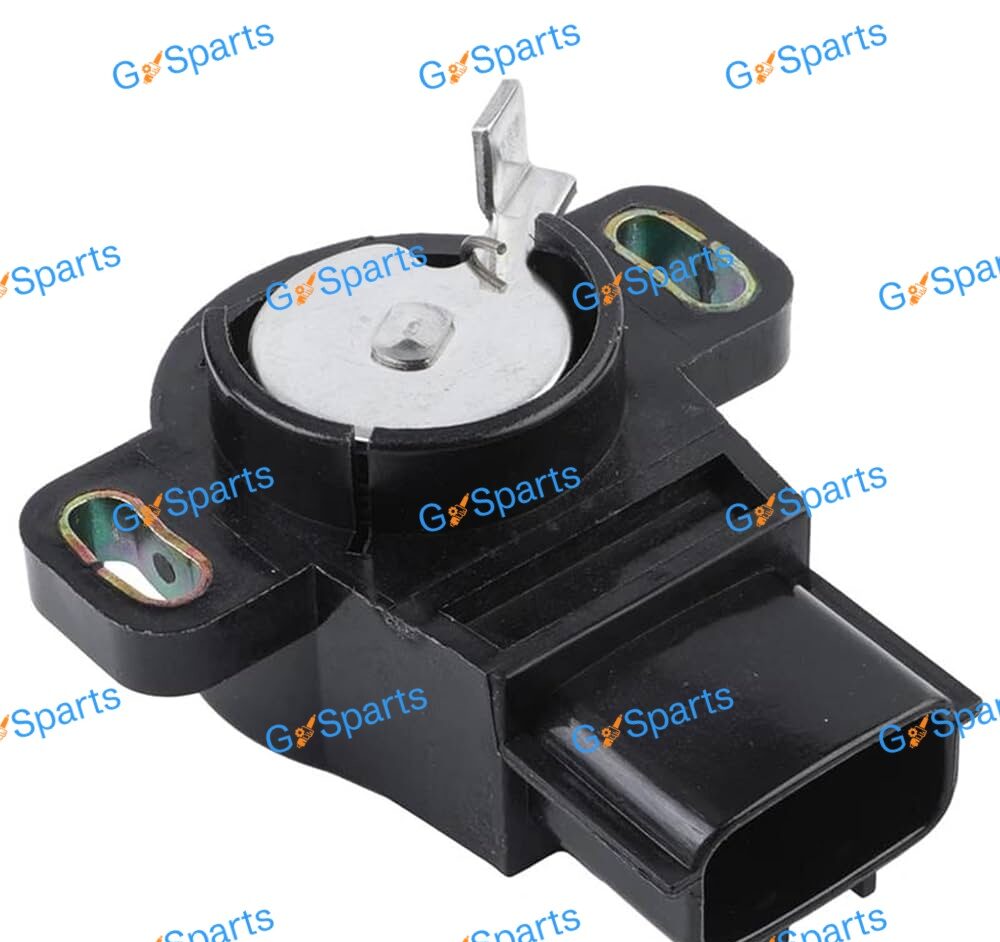
Genuine Nissan TPS Sensor 22620-58Y00 for Sentra 1991–1994 – Sharper Throttle, Smoother Idle, Trusted OEM Precision
Throttle Position Sensor for Nissan Sentra (1991–1994).
Did you like this product? Add to favorites now and follow the product.

(+86) 180 07 12 47 38 WhatsApp, Telegram, WeChat
Description
Nissan TPS Sensor 22620-58Y00 is designed for Sentra (1991–1994). Built with OEM-grade standards by Duralast, Hitachi, and Standard Motor Products, this electric 3-wire sensor restores correct throttle response, idle stability, and fuel economy. Direct replacement for OEM units. Always confirm with VIN for accurate fitment.
Throttle Data: The Hidden Driver of Smooth Sentra Performance
Precise throttle-angle information is the quiet foundation of clean drivability, tight fuel trims, and predictable torque delivery. When the ECU receives a linear, low-noise position signal, tip-in feels crisp, decel fuel cut behaves politely, and idle remains steady despite accessory loads.Restoring the reference is the shortest path from “vague” to “OEM-calm,” and the most dependable place to start is confirming sensor health, harness integrity, and a correct relearn. For owners who want results they can feel and technicians who want evidence they can show, the answer centers on Nissan TPS Sensor 22620-58Y00 for Sentra, validated with a simple slow-sweep graph and a structured road loop.
How the ECU Translates Angle into Torque You Can Feel
Every micro-movement of your right foot launches a rapid negotiation inside the controller: predicted airflow vs. measured angle, then injector pulse width and spark are blended to hit stoichiometry smoothly. With a clean, monotonic sweep, the ECU tightens corrections so part-throttle is composed and on-ramps feel decisive without lurch. Flat spots or spikes force defensive enrichment and “yo-yo” cruise. The cure is not guesswork—it’s restoring a trustworthy reference, confirming believable closed-throttle voltage, and logging a repeatable validation route. In practice, that’s why shops standardize around Nissan TPS Sensor 22620-58Y00 for Sentra, because its stable output lets trims converge quickly and turns subjective impressions into graphs that look boring—in the best way.
Real-World Symptoms That Point to Position-Signal Drift
Before a warning light appears, drivers notice an off-idle hiccup during parking, lazy response on small hills, faint surging at feathered throttle, or idle twitch when the A/C clutch engages. On a scan tool, a slow pedal sweep that should be one smooth line instead shows stair-steps or dropouts. Fixing secondary suspects first wastes time; it’s smarter to establish a clean baseline and validate. Replace the noisy reference, run a documented loop, and compare plots to close the diagnostic story. The approach consistently pays off when the replacement is Nissan TPS Sensor 22620-58Y00 for Sentra, because the ECU recognizes the expected sweep and immediately tightens control, which drivers feel as calmer, more confident response.
Fitment, Indexing, and Connector Clocking Done Right
Great electronics still fail if installed poorly. The sensor must seat flush, align to the throttle shaft without preload, and present the plug at factory clocking so the loom isn’t stressed. Photograph the original orientation, scribe a subtle index mark, and hand-start fasteners to avoid ear distortion that shifts base angle. Torque gently and evenly, then confirm the lock tab “click.” With Nissan TPS Sensor 22620-58Y00 for Sentra fitted this way, closed-throttle voltage lands where the calibration expects, and the angle trace rises linearly all the way to WOT. That mechanical discipline eliminates phantom idle complaints and makes the following relearn steps quick and uneventful.
Preparation: Access, Cleaning, and Safety that Save Time
Disconnect the battery, remove intake ducting for clear sightlines, and clean the throttle bore with sensor-safe spray so varnish doesn’t mimic stickiness. Inspect the harness for heat-hardened insulation or prior chafe, refresh brittle clips, and plan a routing path that stays clear of sharp shields. Stage a torque-limited driver, indexing marker, and contact-safe cleaner for terminals. A one-minute dry-fit to feel the shaft engagement prevents hidden preload. These basic rituals convert the job from “experimental” to predictable and set up Nissan TPS Sensor 22620-58Y00 for Sentra to deliver the quiet, linear signal the ECU relies on for graceful, everyday drivability.
Relearn and Baseline Validation You Can Repeat Anytime
Controllers cache closed-throttle voltage and airflow relationships, so relearn is not optional. Warm fully, perform the manufacturer’s procedure (or key-on sequence where applicable), and verify believable closed-angle values. Then log a slow pedal sweep, a steady 60–80 km/h cruise, and a long decel to fuel cut. Healthy results show a smooth sweep, centered trims at cruise, and calm decel behavior. Save the plots with ambient temperature noted—repeatability is proof. Do this after installing Nissan TPS Sensor 22620-58Y00 for Sentra, and you transform “it feels better” into evidence-backed closure that future technicians can trust.
Cruise Control Calm and Urban Finesse
Feathered-throttle driving and gentle grades expose noisy angle signals instantly. Jitter forces cruise to over-correct, creating subtle surge and unlocks that feel like gearing issues. A stable reference brings proportionate responses: steady speed, quiet converter lockup, and fewer micro-adjustments. In the city, the same stability yields glassy creep, clean tip-in, and idle that ignores accessory loads. These cumulative wins are why owners perceive the car as “sorted” again after installing Nissan TPS Sensor 22620-58Y00 for Sentra—the controller finally trusts the input, so the whole feedback loop tightens and settles.
Emissions Readiness, Catalyst Temperatures, and MPG
Defensive enrichment during transitions heats catalysts unnecessarily and slows readiness completion. Tight angle data keeps mixtures near stoichiometry, reducing thermal stress and letting monitors set on the first try. The benefit shows up at the pump, too: trims that hover near center don’t waste fuel compensating for jitter. Post-install, clear monitors, run your standard loop, and note how quickly systems go green. That clean result is a direct dividend of specifying Nissan TPS Sensor 22620-58Y00 for Sentra and validating with graphs—less drama at inspection, fewer retests, and day-to-day efficiency owners actually notice.
Electrical Hygiene: Grounds, Loom, and Connector Health
Even a perfect sensor can be framed by bad wiring. Clean engine grounds, inspect terminals for corrosion or oil wicking, and ensure the loom has slack for engine rock without rubbing on knife-edge shields. Perform a gentle tug test on conductors near the strain-relief, then re-seat the connector until the lock audibly snaps. This hygiene eliminates external noise sources and preserves the clean signal produced by Nissan TPS Sensor 22620-58Y00 for Sentra, keeping your plots steady and your diagnostics blissfully boring.
Common Pitfalls and the Simple Habits that Prevent Them
Three errors cause most comebacks: misalignment that preloads the wiper, skipping the relearn so the ECU interprets new voltages through old assumptions, and failing to fully seat the connector. Slow down, index to your mark, torque lightly, listen for the lock “click,” and run the exact procedure. Finish with your five-minute validation loop. Follow those steps with Nissan TPS Sensor 22620-58Y00 for Sentra and you’ll close tickets faster, with proof attached—no guesswork, no return visits for the same complaint.
Tuning, Mild Bolt-Ons, and Part-Throttle Polish
Freer intake or exhaust components sharpen transient fueling sensitivity, exposing any jitter the stock map once masked. Calibration should start from a known-good sweep, then refine transient tables only after the reference proves repeatable. With Nissan TPS Sensor 22620-58Y00 for Sentra supplying stable linearity, you’ll see quieter decel fuel cut, steadier cruise trims, and fewer map revisions. The result is a car that feels lively yet civil in the real world—parking lots, ramps, rolling hills—where drivers spend nearly all their time.
Evidence-First Support, Warranty Clarity, and Fast Resolutions
Support can be fast without being loose. Ask for two screenshots—slow sweep and warm-cruise trims—and one routing photo. With objective proof, you can green-light approvals in minutes or guide the next step—ground cleaning, throttle-plate service, or procedure redo. This respectful posture builds loyalty and keeps your team efficient. It also pairs naturally with the predictable behavior of Nissan TPS Sensor 22620-58Y00 for Sentra, whose calm sweep makes good-vs-bad distinctions obvious on any graph.
Diagnostic Workflow and Sequenced Testing That Ends Guesswork
Successful repairs follow a disciplined order: confirm fuel pressure and delivery, scope ignition under load, and smoke-test the intake so leaks don’t impersonate sensor faults. Clean a filmed MAF, check grounds for voltage drop under accessory load, then graph a slow pedal sweep and a warm-cruise segment to see if angle fidelity matches airflow and trims. If fundamentals are green and the trace still shows stair-steps or dropouts, the fix becomes obvious. Replace the noisy reference, perform the proper relearn, and repeat the identical drive loop to prove closure. This evidence-first approach turns hunches into facts and consistently closes tickets when the calibrated input is Nissan TPS Sensor 22620-58Y00 for Sentra.
Transmission Behavior, Line Pressure, and Converter Lockup
Shift scheduling and converter logic infer torque from throttle angle and vehicle speed. If the signal jitters at feathered inputs, suburban rolling hills trigger awkward hunting and lock/unlock chatter that drivers blame on gearing. A linear, low-noise reference restores proportionate control: crisp but smooth upshifts, stable lockup over mild grades, and predictable downshift blips when you request passing power. Manuals benefit, too—rev-matching becomes second nature because the engine responds exactly to pedal travel. After install and relearn, log a neighborhood loop; tidy angle nudges and centered trims confirm that the controller trusts the input from Nissan TPS Sensor 22620-58Y00 for Sentra, and the driveline behaves like a coherent system again.
Product-Page Content, Schema, and Conversion Wins
Education sells technical parts. Place a compact tool list, torque spec, indexing photo, relearn steps, and a five-minute validation loop above the fold so shoppers know exactly what success looks like before checkout. Mark up the page with Product, HowTo, and FAQ schema so search surfaces your answers inside results, reducing pre-sale questions. Include a miniature “good sweep vs. bad sweep” graphic to set expectations. This transparency lowers RMAs and builds trust because the road feel mirrors the guidance. When your listing features Nissan TPS Sensor 22620-58Y00 for Sentra, that alignment tightens further—buyers install Nissan TPS Sensor 22620-58Y00 for Sentra, run the loop, and see graphs that match your samples.
Buyer’s Checklist, Tools, and DIY Success Plan
Clarity creates first-pass wins. Publish a one-screen checklist: verify throttle-body style and connector keying, photograph original clocking, scribe a thin index mark, and stage a torque-limited driver plus contact-safe cleaner. Advise removing intake ducting for sightlines, hand-starting screws to avoid ear distortion, and listening for the connector’s lock “click.” Close with the relearn steps and a simple validation route—warm idle, steady mid-speed cruise, and one long decel. This plan transforms Saturday installs from experiments into predictable results and keeps support inboxes quiet. With a known-good procedure, the stable output from Nissan TPS Sensor 22620-58Y00 for Sentra converts immediately into calmer trims and composed, repeatable drivability.
Counterfeit Avoidance, Packaging, and Traceability
Critical signals attract copycats that mimic housings but skimp on wiper materials, potting, and seals—guaranteeing early drift and intermittent dropouts. Protect customers with tamper-evident seals, scannable batch codes, and a “verify your unit” page showing genuine connector mold lines, logo depth, and terminal finish. Ask installers to photograph labels and the mounted orientation for the work order. Authentic parts spare you hours of noise-chasing and make warranty conversations fast and fair. That’s why reputable channels for Nissan TPS Sensor 22620-58Y00 for Sentra pay for themselves in stable plots and quick readiness—and why your storefront reputation climbs when every shipped Nissan TPS Sensor 22620-58Y00 for Sentra is demonstrably genuine.
Preventative Strategy for Aging Harnesses and Grounds
Time, heat, and vibration harden insulation and loosen eyelets, injecting noise that looks like sensor failure. Fold quick electrical hygiene into seasonal service: clean and re-torque grounds, refresh brittle clips, add high-temp loom where the harness kisses heat shields, and perform a gentle tug test at strain points. Pair that with throttle-bore cleaning so varnish doesn’t fake stickiness. Archive a fresh validation plot each visit; deviations jump off the page. These small rituals keep the ECU’s assumptions intact, extend catalyst life by curbing defensive enrichment, and preserve the clean sweep you expect from Nissan TPS Sensor 22620-58Y00 for Sentra long after the return window closes.
Fleet Playbooks, Fewer SKUs, Predictable Results
Across vehicles, tiny inefficiencies become line items—extra fuel, retests, and driver complaints that drain technician time. Standardize components, steps, and a shared five-minute validation loop so first-pass fixes become routine. Archive plots by VIN to spot drift early and train new techs with real patterns instead of lore. Procurement can then reduce inventory complexity without sacrificing correctness. The operational result is boring—in the best way: steady trims, quick readiness, and calm phones. Anchoring that playbook on Nissan TPS Sensor 22620-58Y00 for Sentra converts broad intent into repeatable quality, while the archived traces prove that every car, every season, behaves as expected.
Owner Handover, Micro-Graphs, and Lasting Trust
End every job with a one-page summary that a non-technician can love: what changed, why it matters, the relearn you performed, and two thumbnail plots—before and after—at warm cruise. Add three simple habits: fix upstream intake leaks promptly, keep the air filter and MAF clean, and return with a short log if the lamp appears. This human-scale clarity transforms technical work into understandable value and turns satisfied drivers into five-star reviewers. It also sets the stage for future service because the baseline is stored and comparable. The star behind that calm story is Nissan TPS Sensor 22620-58Y00 for Sentra, whose predictable sweep makes “good vs. bad” visually obvious.
Advanced Troubleshooting for Edge Cases and Heat-Soak
Some complaints persist because multiple minor faults stack: slight MAF drift, marginal grounds, and a TPS near end-of-life. Widen your lens. Correlate throttle angle with MAF rate change during micro-transients, compare commanded vs. delivered spark on gentle hills, and watch short-term trims through gear changes. Heat-soak the bay, then repeat the slow sweep to expose temperature-dependent noise. If angle fidelity remains the outlier, swap in a known-good input and rerun your five-minute loop. When trims center and cruise steadies, you’ve isolated the culprit—and the durable cure is Nissan TPS Sensor 22620-58Y00 for Sentra, validated, archived, and ready to defend any future questions with clean data.
Community Reviews, UGC Photos, and Social Proof
Your customers are field testers across climates and mileages—invite their evidence. Prompt reviews that include vehicle year/engine, install time, validation route, and two photos: connector seating and a post-install sweep. Curate a “most helpful” gallery highlighting clean plots from winter and summer to show seasonal stability. Pin a staff comment linking the troubleshooting tree and relearn steps so the community answers repeat questions with your best practices. This honest ecosystem guides hesitant shoppers and trims support volume. It shines brightest when the featured component is Nissan TPS Sensor 22620-58Y00 for Sentra, because buyer graphs consistently mirror your samples, reinforcing confidence for the next purchase.
Pricing Logic, Completion Kits, and Perceived Value
Don’t race to the bottom; frame value around the probability of first-pass success. Offer a base sensor and a completion kit that adds loom, clips, heat sleeve, contact-safe cleaner, and a laminated checklist. Explain the expected savings: fewer hours, fewer retests, and longer catalyst life due to tighter control. Show a tiny TCO comparison beside the add-to-cart button. Shoppers choose certainty Nissan TPS Sensor 22620-58Y00 for Sentra when it’s visible. Featuring Nissan TPS Sensor 22620-58Y00 for Sentra in the kit aligns the purchase with the outcome—graphs that look calm, drivability that feels OEM, and support that resolves with data, not debate.
Final Action Plan and Measurable Next Steps
Turn intent into results today. Baseline trims, perform a slow sweep, and fix any intake leaks or ground faults first. Install carefully—index to your scribed mark, torque gently, seat the connector until it clicks—and complete the correct relearn. Drive your five-minute loop, save plots with ambient noted, and attach them to the work order. If the sweep is smooth and cruise trims are centered, you’ve solved root cause, not symptom. Keep the template for future visits; comparisons make early drift obvious. For an OEM-aligned outcome you can feel and prove, specify Nissan TPS Sensor 22620-58Y00 for Sentra—then let the graphs tell the calm, convincing story that owners remember every time they drive.
External Resources (Standards & Technical References)
- ISO 26262 — Road Vehicles Functional Safety
- ISO 11898 — Controller Area Network (CAN)
- ISO 14229 — Unified Diagnostic Services (UDS)
- SAE J1979 — OBD-II Diagnostic Test Modes
- AEC-Q100 — Stress Test for Automotive ICs
Related Internal Links
Related products



G-SPARTS – Leading Auto Parts Supplier Since 2009
Trusted by 1000+ Clients Worldwide | Chinese (BYD, Geely, Chery, …), Japanese (Toyota, Honda, Nissan, …), European (BMW, Mercedes, VW, …) & American (Ford, Chevrolet, Tesla, …) Car Spares | Best Prices & OEM Quality | 15+ Years Expertise | Professional Team, Fast Global Shipping
Copyright 2025 © G-Sparts All Rights Reserved. | Premium Chinese Auto Parts Supplier – Worldwide Shipping | Best Prices on OEM & Aftermarket Spares

Reviews
There are no reviews yet.