
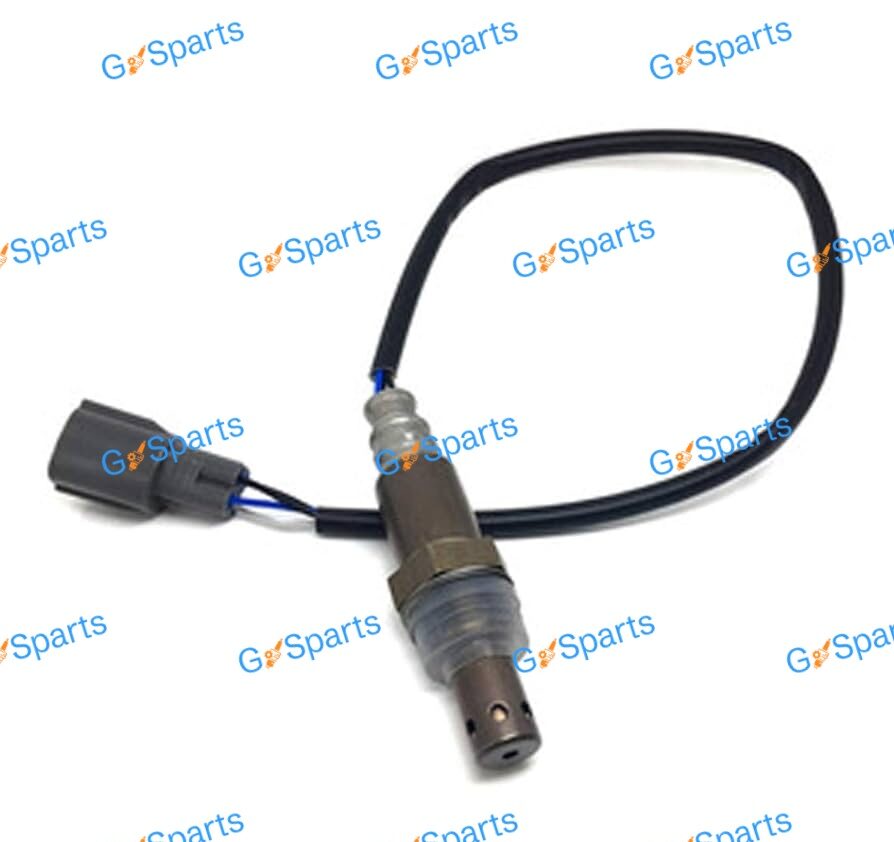
Toyota Oxygen O2 Sensor 89465-02060/89465-02040 (examples) – Genuine , Clean Emissions, OEM-Grade Confidence
O₂ sensor for Corolla, Camry, RAV4, Highlander, Tacoma (varies by market/year) – Upstream / downstream depending on cross. Specs: Most modern replacements are 4‑wire heated upstream (M18×1.5 thread common). Cross: Denso 234-9002 etc. per cross references.
Did you like this product? Add to favorites now and follow the product.

(+86) 180 07 12 47 38 WhatsApp, Telegram, WeChat
Description
Toyota Oxygen O2 Sensor 89465-02060/89465-02040 OE‑style oxygen (lambda) sensor covering: Corolla, Camry, RAV4, Highlander, Tacoma (varies by market/year). OEM reference(s): 89465-02060, 89465-02040 (examples). Position: Upstream / downstream depending on cross. Typical specification: Most modern replacements are 4‑wire heated upstream (M18×1.5 thread common). Manufacturer/cross‑ref: Denso 234-9002 etc. per cross references. Always confirm which aftermarket reference matches your OEM part via VIN/engine code. Source: Amazon.
Introduction and Value for Modern Toyota Powertrains
Closed-loop fueling is only as good as the feedback guiding it, and the oxygen sensor is the signal the ECU trusts most when blending fuel for clean, efficient combustion. Accurate upstream switching lets the controller trim decisively, while honest downstream readings confirm the catalyst is doing real work under load. Selecting the right part numbers, installing with disciplined torque and routing, and validating waveforms after a short drive loop turns guesswork into process. For platforms covered here, Toyota Oxygen O2 Sensor 89465-02060/89465-02040 is the anchor that restores predictable control. Owners feel the result as calmer idle, cleaner tip-in, and confident passing once Toyota Oxygen O2 Sensor 89465-02060/89465-02040 is verified in data.
Closed-Loop Fundamentals Across Real-World Driving
In daily traffic, the ECU constantly balances airflow, RPM, and temperature against upstream lambda oscillations to hold stoichiometry. A crisp waveform keeps torque delivery natural and emissions low through merges, climbs, and stop-and-go. When the trace is lazy, enrichment overshoots and MPG drops; when it’s noisy, the controller widens margins and readiness slows. A methodical repair starts by restoring a trustworthy reference, then proving stability at warm idle, mid-speed cruise, and long deceleration. With pragmatic testing, one clean plot tells the whole story. The fastest route back to “boringly perfect” control is choosing Toyota Oxygen O2 Sensor 89465-02060/89465-02040 for the proper locations and following a repeatable validation loop so results are defensible every time.
Upstream and Downstream Roles That Complement Each Other
The upstream sensor governs moment-to-moment fuel correction; the downstream sensor audits catalyst oxygen storage and overall conversion efficiency. Healthy systems show lively upstream switching near stoichiometry and quieter downstream behavior at cruise, proving the substrate is active. Swapped locations, generic splices, or mismatched heaters blur this choreography and inflate diagnostic time. The repair playbook is straightforward: confirm bank and position, match heater characteristics, and validate with graphs. Installing Toyota Oxygen O2 Sensor 89465-02060/89465-02040 restores the expected waveform shapes the ECU was calibrated to see, and documenting that restoration with overlays before and after Toyota Oxygen O2 Sensor 89465-02060/89465-02040 confirms root cause instead of chasing symptoms elsewhere.
Fitment Precision: Threads, Washers, and Connector Indexing
Mechanical accuracy underwrites electrical integrity. Correct thread reach places the element squarely in the gas stream; a crush washer seals against fresh-air dilution; keyed connectors preserve heater polarity and signal paths. Hand-starting threads prevents cross-threading, while torque accuracy protects the shell from distortion and the bung from damage. Proper harness clocking avoids chafe on shields and hot edges, stopping tomorrow’s intermittent faults before they start. With the right geometry and lock-tab orientation established at the bench, installation becomes calm and predictable, and the post-install plot finally looks like the textbook trace you expect when Toyota Oxygen O2 Sensor 89465-02060/89465-02040 is seated and routed correctly.
Recognizing Symptoms That Point to Feedback Drift
Before the lamp illuminates, small inefficiencies compound: fuel economy slides, cold starts feel a touch rougher, cruise hunts on gentle grades, and a faint sulfur smell follows a hard pull. On a scan tool, upstream switching turns lazy, while downstream shows more activity than a healthy catalyst should at steady speeds. Resist parts darting: verify fuel pressure, scope ignition, smoke-test the intake, and then evaluate oxygen behavior. If the only outlier is a tired signal, replace the reference and retest. Restoring a clean waveform with Toyota Oxygen O2 Sensor 89465-02060/89465-02040 returns authority to the controller so trims re-center and drivability regains that composed, OEM-new character owners remember.
Codes, Freeze-Frame Clues, and Plot Interpretation That Matter
Classic DTCs include slow response, range/performance, heater-circuit faults, and catalyst efficiency below threshold. Freeze-frame snapshots—RPM, load, coolant temperature, and sensor values—separate cold-start heater issues from hot-cruise sluggishness. Graph idle, cruise, and long decel to observe switching speed and post-cat steadiness. A healthy upstream draws tight, rhythmic oscillations; a healthy downstream stays comparatively calm. After repair, re-run the same route and overlay plots to prove closure. When the new traces align with expectations, you can show exactly how Toyota Oxygen O2 Sensor 89465-02060/89465-02040 corrected the root signal and why other components did not need replacement.
Heater Design, Warm-Up Timing, and Stable Temperature Control
Planar zirconia elements need robust heaters to reach operating temperature quickly and hold it steady across idle queues and highway runs. Weak heaters delay closed loop, deepen enrichment, and stress catalysts thermally during warm-up. Proper venting and sealing prevent condensation shocks that crack ceramics. What you want in the data is simple: reliable entry into closed loop within moments of start, then crisp switching that stays consistent as loads change. By pairing quality heater behavior with disciplined routing and a clean electrical path, installs anchored by Toyota Oxygen O2 Sensor 89465-02060/89465-02040 deliver the stable temperature environment that keeps lambda control tight and inspection timelines predictable.
Preparation That Saves Time and Protects Margins
Success begins before a wrench turns. Confirm VIN coverage, bank/position, connector keying, and harness length. Stage the right tools: penetrant, an O2 socket, torque reference, and high-temperature retainers. Plan tool paths that avoid rounding and ensure knuckle clearance, then photograph sensor orientation and harness routing for reassembly. Baseline trims and waveforms so improvement is measurable later. With setup complete, the bay visit becomes a predictable window rather than a speculative adventure, and you’ll know exactly how Toyota Oxygen O2 Sensor 89465-02060/89465-02040 should behave when the engine is warm and the route is repeated under similar conditions.
Installation Discipline: Threading, Torque, and Harness Routing
Hand-start every thread; if the sensor isn’t factory-coated, apply O2-safe anti-seize sparingly and keep it off the tip. Torque to specification with an appropriate socket or a correctly aligned crow’s-foot for accuracy. Route the lead with service slack for engine movement, clip at factory points, and avoid contact with sharp heat shields or moving linkages. Confirm the connector lock by feel and sound, then perform a quick visual for strain relief. These small habits prevent intermittent heater opens and rub-throughs that masquerade as random gremlins months later—issues you won’t see when Toyota Oxygen O2 Sensor 89465-02060/89465-02040 is installed with methodical care.
Post-Install Drive Cycle and Baseline Validation
Warm the engine fully, confirm closed-loop entry, and observe short-term trims oscillating near center at steady cruise. Add several long decelerations to verify fuel-cut logic and calm downstream behavior. If monitors were cleared, follow a documented route so readiness completes quickly. Save plots—warm idle, 60–80 km/h cruise, and decel—and attach them to the work order. This data turns “it feels better” into evidence, making the improvement obvious to owners and technicians. When upstream and downstream traces look tidy and reproducible after Toyota Oxygen O2 Sensor 89465-02060/89465-02040, you’ve closed the loop on both control and verification.
Emissions Readiness and Inspection Confidence Without Drama
Readiness delays and catalyst efficiency codes often originate from poor upstream feedback, not failed substrates. A crisp upstream signal tightens mixture control; an honest downstream reading verifies conversion. Once validated, your route produces green monitors reliably, reducing retests and keeping schedules intact. Families avoid last-minute surprises; fleets keep vehicles on the road. This is the operational value of pairing disciplined diagnostics with correct components and documented results, a combination that makes compliance a routine stop rather than an annual stress test—especially when Toyota Oxygen O2 Sensor 89465-02060/89465-02040 is the baseline reference guiding closed-loop behavior.
Fuel Economy, Response, and Lifecycle Cost You Can Measure
Small lambda errors become big fuel bills and dull throttle feel. When switching slows, the ECU enriches “just in case,” spending fuel to buy shaky confidence and cooking catalysts during warm-up. Restore accuracy and trims re-center; MPG rises and passing feels decisive instead of hesitant. Over one maintenance cycle, fewer comebacks and quicker validations pay back the part cost and protect margins. For drivers, the win is tangible in quieter mornings, steadier cruising, and fewer visits. For shops, it’s graphable. A single replacement with Toyota Oxygen O2 Sensor 89465-02060/89465-02040 often turns a noisy data story into the calm, predictable rhythm you want to archive.
Idle Quality, Accessory Loads, and Urban Drivability
City driving exposes control loops to frequent restarts, A/C engagement, and micro-transients while creeping forward. Weak feedback here looks like idle wander, shuddering when an accessory kicks on, or vague initial tip-in during tight maneuvers. The repair sequence that restores composure is consistent: fix leaks ahead of the sensor, confirm airflow measurement, then stabilize lambda input and validate on an urban-style loop. When the upstream trace turns rhythmic and downstream steadies at cruise, customers feel the difference immediately. That characteristic calm is exactly what returns once Toyota Oxygen O2 Sensor 89465-02060/89465-02040 is installed, warmed, and logged under real conditions.
Avoiding Misdiagnosis with a Sequenced Troubleshooting Playbook
Surging, rich smells, or rough idle overlap with ignition faults, weak fuel pressure, vacuum leaks, and MAF contamination. To avoid parts darting, enforce sequence: verify pressure, scope ignition, smoke-test the intake, then analyze upstream/downstream behavior. If upstream is jagged or slow while fundamentals are green, fix the reference first; if downstream is overly active at steady cruise, evaluate the catalyst and check for post-combustion oxygen sources. Re-run the same route after the repair to confirm closure. Toyota Oxygen O2 Sensor 89465-02060/89465-02040 That disciplined loop is how you prove that Toyota Oxygen O2 Sensor 89465-02060/89465-02040 addressed cause rather than symptom and why the ticket doesn’t need extra parts.
Cold-Start Behavior, Heater Ramps, and Morning Smoothness
Cold starts reveal heater capability because the element must reach temperature fast to prevent over-rich stumbling and catalyst stress. Urban short trips magnify weak heaters: closed loop arrives late, exhaust smells of fuel, and idle feels unsettled. You want warm-up that snaps into control quickly, then stays steady as accessories add load. After installing and routing correctly, monitor time-to-closed-loop and switching cadence from the first minute onward. The smoother morning feel many owners report isn’t magic; it’s the heater doing its job, reflected in crisp traces delivered by Toyota Oxygen O2 Sensor 89465-02060/89465-02040 on a simple neighborhood validation loop.
Environmental Robustness Across Seasons and Routes
Sub-zero winters, summer heat soaks, coastal humidity, and dusty work sites punish ceramics, crimps, seals, and harness jackets. Moisture during cool-down can fracture elements; salt fog accelerates connector corrosion; abrasive dust infiltrates vents. Designs that vent correctly, seal reliably, and resist vibration keep calibration intact despite abuse. Data proves it: steady oscillations across weather swings and fewer seasonal complaints. That is why harsh-duty vehicles benefit most from clean routing, secure clips, and a verified reference—choices that reveal their value over time when Toyota Oxygen O2 Sensor 89465-02060/89465-02040 keeps graphs calm and inspections on schedule.
Tuning, Mild Bolt-Ons, and Part-Throttle Refinement
Even modest intake or exhaust changes alter airflow enough to expose noisy or slow feedback. Smart street calibrations focus on the drivability owners actually feel: smooth merges, steady hills, quick but civil tip-in. Start by confirming repeatable waveforms at warm idle and mid-speed cruise, then nudge transient tables only after the reference proves steady. A clean upstream trace reduces trial-and-error and shortens the path to a lively yet polite character. When the sensor provides that trustworthy rhythm, you’ll notice fewer revisions and clearer logs—outcomes that follow when Toyota Oxygen O2 Sensor 89465-02060/89465-02040 is the chosen baseline for the platform.
Fleet Operations and Predictability at Scale
Across dozens of vehicles, tiny inefficiencies compound into real money: extra fuel, inspection retests, and driver complaints that soak technician hours. Standardizing components, checklists, and validation routes compresses cycle time and raises first-pass fix rates. Archive plots by VIN to spot trends early, coach drivers with objective data, and plan service windows before symptoms escalate. Uniform results also simplify stocking and training. Many fleet programs lock in a single, proven reference so results are boring—in the best way. That’s the practical case for building your playbook around Toyota Oxygen O2 Sensor 89465-02060/89465-02040 and documenting outcomes the same way every time.
Product Page Content That Converts Browsers Into Buyers
High-intent shoppers convert when uncertainty disappears. Pair the listing with a compatibility matrix, bank/position diagrams, connector close-ups, thread-reach notes, tool lists, and torque specs. Add a five-step drive cycle with “what success looks like” graphs so DIY installers can self-validate. A compact FAQ clarifies upstream vs downstream roles, readiness timing, and short-trip expectations. This practical education positions the part as the calibrated solution rather than a commodity, reducing returns and strengthening trust because the guidance aligns perfectly with the behavior you’ll see when Toyota Oxygen O2 Sensor 89465-02060/89465-02040 is installed and graphed correctly.
Warranty Clarity, Counterfeit Avoidance, and Fast Support
Support policies should be transparent and data-driven. Require two quick screenshots—warm-idle and steady-cruise traces—and a photo of harness routing for claims. Use tamper-evident packaging and scannable serials tied to orders, and publish connector keying photos to prevent forced mating. Clear criteria reassure honest buyers and deter improper returns. When owners see that a claim starts with evidence rather than debate, confidence rises. That structure pairs neatly with the stable behavior you expect after installing Toyota Oxygen O2 Sensor 89465-02060/89465-02040, making outcomes easier to prove and faster to support.
Buying Checklist for First-Pass Success
Match bank and position, verify connector keying and lead length, confirm thread reach and seat style, and inspect the vehicle harness for heat damage or prior chafe. Stage an O2 socket, torque references, penetrant, high-temp loom, and factory-style retainers before opening the hood. Baseline trims and upstream/downstream plots so the improvement is measurable. A planned route—idle, stop-and-go, steady cruise, long decel—keeps validation consistent. This simple preparation turns a risky afternoon into a predictable service window that ends with calm graphs—exactly the sign that Toyota Oxygen O2 Sensor 89465-02060/89465-02040 has restored the reference the ECU trusts.
Data-Driven Sign-Off and Archiving for Future Clarity
Objective proof ends debates. After installation, log upstream voltage at idle and cruise; switching should be crisp and centered. Downstream should remain comparatively steady once the catalyst is hot. Overlay trims to confirm authority and watch quick convergence after load changes. Save PDFs with route, ambient temperature, fuel type, and routing photos for future comparisons. Over time, this archive becomes your in-house standard of “normal,” helping new technicians ramp quickly and giving customers clarity about what changed—especially compelling when Toyota Oxygen O2 Sensor 89465-02060/89465-02040 is the component that made the graphs go quiet.
Addressing Exhaust Leaks and Airflow Errors Before Blaming Sensors
Pre-sensor leaks admit fresh air that skews the reading lean, while MAF contamination distorts load calculation and makes good sensors look guilty. Smoke-test the exhaust upstream of the bung and inspect the intake for debris or oil film before condemning components. Correcting fundamentals ensures the new baseline reflects the engine’s true state. Only then can you fairly judge sensor behavior in the logs. This disciplined order is why tickets close faster and why customers avoid buying parts they don’t need after Toyota Oxygen O2 Sensor 89465-02060/89465-02040 is installed into a mechanically sound environment.
Catalyst Health, Temperatures, and Long-Term Protection
Catalysts thrive when mixture control stays near stoichiometry and transients are clipped swiftly; they suffer under chronic richness and thermal shocks that erode storage capacity. Accurate upstream feedback prevents over-fueling, and honest downstream oversight verifies conversion under load. Watch catalyst temperature estimates during climbs and loaded testing; cooler, steadier numbers point to better mixture discipline. Over the long haul, this protection keeps efficiency codes away and inspections simple. The quiet hero is the reference signal itself, stabilized and proven after Toyota Oxygen O2 Sensor 89465-02060/89465-02040 restores the communication the ECU expects to see.
Technician Workflow and Team Training That Scales
Repeatable outcomes come from repeatable steps: confirm fitment, photograph orientation, hand-start and torque to spec, route and clip cleanly, perform the drive cycle, log plots, and archive results. This checklist makes new technicians productive and gives veterans a shared language for quality. When parts, procedures, and validation are standardized, differences in results reflect real mechanical issues—not parts lottery. That’s how a shop builds a reputation for solving problems the first time and why a consistent baseline like Toyota Oxygen O2 Sensor 89465-02060/89465-02040 becomes a quiet cornerstone of team performance.
Owner Handover and Education That Builds Trust
Close every job with a one-page summary: what changed, why it matters, and two small graphs—before and after—at warm cruise. Add three practical tips: fix exhaust leaks upstream promptly, keep the air filter and MAF clean, and return with a photo of any future MIL plus a short log. This turns complex control theory into understandable value and reduces callbacks. Owners connect the dots between calm traces and a composed drive. It’s a simple, human finish to a technical repair enabled by the steady behavior delivered once Toyota Oxygen O2 Sensor 89465-02060/89465-02040 is in place and verified.
Preventative Strategy for High-Mileage, Short-Trip Vehicles
Vehicles living short trips or enduring heat-soak cycles benefit from proactive renewal paired with exhaust-leak checks, throttle-body cleaning, and MAF service. Weak heaters and slow elements silently age catalysts and foul plugs, turning small inefficiencies into big bills. Scheduling inspection-driven service windows avoids last-minute surprises and smooths shop load. With a fresh, validated reference and simple quarterly checks, trims stay steady, and seasonal complaints fade. This is the practical definition of value—predictability owners feel and shops can graph—especially consistent when Toyota Oxygen O2 Sensor 89465-02060/89465-02040 is the part that returns discipline to the loop.
Content and Schema Enhancements for Higher Conversions
Great product pages educate quickly. Add HowTo schema for installation, FAQ schema for readiness and bank/position questions, and Product schema for inventory and reviews. Include tool lists, torque tables, routing photos, and a five-step validation loop. These assets win rich results and answer concerns before checkout. The hidden benefit is fewer returns because customers recognize “normal” plots after the job. Align screenshots and captions with the behavior you expect once Toyota Oxygen O2 Sensor 89465-02060/89465-02040 is installed, so the online experience mirrors shop-floor reality and confidence carries through the cart.
Final Recommendations and Next Steps to Lock In Results
Turn research into results today. First, baseline trims and waveforms. Second, confirm bank/position and harness health. Third, install with clean threading, correct torque, and tidy routing. Fourth, run a documented drive loop and archive plots. If traces are crisp and readiness completes, you’ve fixed cause, not symptom. For an OEM-aligned, inspection-ready outcome you can defend with data, specify Toyota Oxygen O2 Sensor 89465-02060/89465-02040 and keep the documentation with the work order. The calm graphs, restored MPG, and smooth response that follow are the everyday proof that the smallest signal just made the biggest difference.
External Resources (Standards & Technical References)
- SAE J1979 — OBD-II Diagnostic Test Modes
- ISO 15031 — Road Vehicles/Scan Tool Communication
- US EPA — Basic Information on OBD-II
- NGK/NTK — Oxygen (Lambda) Sensors Overview
- Bosch Mobility — Oxygen Sensor Technology
Related Internal Links
Additional information
| OEM / Reference | 89465-02040 (examples), 89465-02060 |
|---|---|
| Cross reference | Denso 234-9002 etc. per cross references |
| Models | Camry, Corolla, Highlander, RAV4, Tacoma (varies by market/year) |
| Position | Upstream / downstream depending on cross |
| Specifications | Most modern replacements are 4‑wire heated upstream (M18×1.5 thread common) |
| Source | Amazon |
Related products


Genuine Toyota Front Brake Pad Kit 04465-0E010 – Highlander (2010–2019) / Sienna (2011–2020) | Quiet Confidence, OE Fit, Long-Life Value
Original price was: $88.00.$75.00Current price is: $75.00.

Recently Viewed Products

G-SPARTS – Leading Auto Parts Supplier Since 2009
Trusted by 1000+ Clients Worldwide | Chinese (BYD, Geely, Chery, …), Japanese (Toyota, Honda, Nissan, …), European (BMW, Mercedes, VW, …) & American (Ford, Chevrolet, Tesla, …) Car Spares | Best Prices & OEM Quality | 15+ Years Expertise | Professional Team, Fast Global Shipping
Copyright 2025 © G-Sparts All Rights Reserved. | Premium Chinese Auto Parts Supplier – Worldwide Shipping | Best Prices on OEM & Aftermarket Spares

Reviews
There are no reviews yet.