
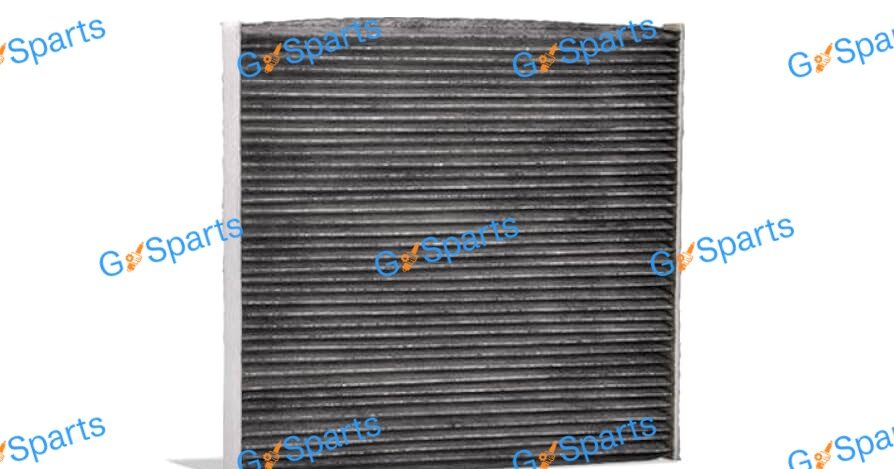
Elite Odor Defense — Toyota Carbon Cabin Filter 87139-YZZ93
Toyota Premium Carbon Cabin Filter 87139-YZZ93 – RAV4, Camry, Corolla, Highlander (2016–2025) deploys a high-load activated carbon layer and precision-pleated media to capture fine particulates while aggressively reducing exhaust odors and urban VOCs. The low-restriction design sustains steady airflow and rapid defogging, protecting blower longevity. OE-accurate dimensions and a moisture-stable frame deliver a dependable, leak-free seal for quiet operation. Clear airflow arrows enable a swift, tool-light DIY install behind the glove box. Replace every 12 months or 15–20k km, sooner in polluted or dusty regions. Preserve evaporator cleanliness, elevate ride comfort, and enjoy consistently fresher cabin air across popular Toyota models.
Did you like this product? Add to favorites now and follow the product.

(+86) 180 07 12 47 38 WhatsApp, Telegram, WeChat
Description
The Toyota 87139-YZZ93 cabin filter is a premium OEM option with activated carbon to control odors and pollutants. Cross-referenced with 87139-YZZ37, it serves as an upgrade over standard pollen filters. Suitable for Toyota RAV4, Camry, Corolla, and Highlander models from 2016 through 2025. Check VIN for confirmation, as not all trims support carbon filter variants.
Clean-Air Foundations and Why Carbon Matters
A quiet, fresh interior depends on a filter that captures fine particulates while also knocking down odors from traffic, garages, and seasonal smoke. Activated carbon excels because its porous structure adsorbs many nuisance molecules that a standard pollen filter merely lets pass. Drivers notice the difference in fewer stale startups, faster demist with less fan noise, and reduced film on interior glass. This is where Toyota Carbon Cabin Filter 87139-YZZ93 earns its reputation, bringing an OEM-calibrated balance of flow and adsorption to popular Toyota platforms. For shoppers comparing upgrades, Toyota Carbon Cabin Filter 87139-YZZ93 stands out as the straightforward way to elevate in-cabin comfort without altering daily maintenance habits.
Model Coverage and VIN Confidence
Coverage across RAV4, Camry, Corolla, and Highlander from mid-2010s through current lines is broad, but not universal. Regional packages, mid-cycle refreshes, and HVAC cassette revisions can shift what fits a given trim. Always start with a VIN check to confirm the correct element and keep expectations realistic about carbon compatibility. When the listing aligns, Toyota Carbon Cabin Filter 87139-YZZ93 seats cleanly, the access door latches with a crisp click, and airflow tone remains even. That repeatable fitment experience is the hallmark of a true OEM-path upgrade and the reason many owners standardize on this part for households with multiple Toyota models.
Media Architecture and Adsorptive Science
Activated carbon granules or impregnated layers provide vast internal surface area, allowing odor-forming molecules to adhere via van der Waals forces. A properly designed carbon filter pairs this adsorptive layer with a low-restriction particulate mat to maintain blower efficiency. In practice, Toyota Carbon Cabin Filter 87139-YZZ93 balances pleat spacing, binder stability, and frame rigidity so the cassette compresses uniformly and bypass is minimized. Because adsorption is finite, steady replacement restores capacity along with flow. When drivers report calmer airflow and fewer lingering smells after tunnels or parking garages, Toyota Carbon Cabin Filter 87139-YZZ93 is doing exactly what a premium cabin filter should.
Upgrade Positioning Versus Pollen Filters
Standard pollen elements intercept dust and plant matter efficiently, but they are not tuned for odor suppression in dense urban traffic. Upgrading to a genuine carbon option brings measurable gains in perceived quality—less “garage echo,” fewer diesel notes near freight corridors, and a neutral baseline that lets light fragrances or nothing at all feel intentional. With Toyota Carbon Cabin Filter 87139-YZZ93, this improvement arrives without hacky adapters or force-fit frames. You simply install, confirm the latch, and enjoy quieter trips. The result is an interior that feels newly detailed longer, even when door cycles are frequent and the weather is unpredictable.
Cross-Reference and Catalog Clarity
Toyota’s parts ecosystem includes historical codes and supersession trails that can confuse shoppers. Cross-references such as a related YZZ-series part help align expectations when websites or dealership counters list alternatives. The key is geometry and media type, not marketing claims. When a catalog confirms carbon media for your VIN, Toyota Carbon Cabin Filter 87139-YZZ93 maintains the intended sealing line so air goes through the pleats rather than around the frame. By focusing on published dimensions, airflow arrows, and packaging that protects edges, owners avoid the “almost fits” problem that introduces hiss, rattles, or reduced adsorption performance over time.
Airflow, Pressure Drop, and Quiet Operation
HVAC engineers target a resistance window that allows the fan to deliver specified volumetric flow at each speed. Carbon layers can add restriction if poorly designed, but a quality element keeps pressure drop modest while lifting odor control. With Toyota Carbon Cabin Filter 87139-YZZ93, that balance translates to faster defogging, fewer high-fan bursts, and a stable vent temperature profile on mixed routes. Over months, as pleats load with fine debris, the system grows noisier and less decisive; timely replacement resets both flow and adsorption. The outcome is a cabin that feels composed in everyday use rather than one that constantly demands attention.
City, Suburb, and Rural Use Cases
Driving environment changes the loading profile. City corridors add tire and brake aerosols plus complex VOCs; suburbs deliver intense pollen waves each spring; rural routes raise dust and farm particulates. A carbon element shines when odors and smoke intrude, while still filtering solids effectively for seasonal clarity. With Toyota Carbon Cabin Filter 87139-YZZ93 installed, owners can run recirculation briefly during heavy pollutant stretches and then purge with fresh air on cleaner segments. That simple habit preserves adsorption capacity and keeps the interior neutral. Over time, you’ll notice less residue on glass, steadier airflow feel, and quieter mornings after damp nights.
Allergy Season and Passenger Comfort
Sensitive passengers often feel improvements within minutes of a swap. A carbon layer cuts the “sniff” factor from nearby vehicles and reduces the background haze that aggravates sinuses. Pair the install with dry floor mats and periodic fabric vacuuming to avoid re-aerosolizing allergens. With Toyota Carbon Cabin Filter 87139-YZZ93 seated squarely, rear vents feel livelier without cranking the blower, and conversations stay easy because the fan remains a step lower. On school runs or weekend errands with frequent door openings, the cabin retains a fresher baseline, helping everyone arrive clearer-headed and less distracted by competing smells.
EVs, Hybrids, and Idle Behavior
Electrified drivetrains amplify the value of low-resistance filtration because cabin noise is otherwise minimal. Any extra fan effort becomes more noticeable, as does a stray odor when the drivetrain is silent at lights. A well-designed carbon filter keeps both in check. Installing Toyota Carbon Cabin Filter 87139-YZZ93 restores the intended resistance profile, so HVAC logic doesn’t need to compensate with louder surges. That matters on hybrids that frequently stop and start or EVs that keep the climate system as the dominant sound. The result is a more premium experience without changing driver habits—just a straightforward upgrade during routine service.
Installation Prep and Best Practices
Success starts with a tidy workspace. Park level, set the brake, and empty the glove box so it pivots without spilling. Photograph the old filter’s arrow orientation to avoid guesswork. Use a handheld vacuum to clear the cassette rails; grit there can skew seating and cause a hesitant latch. Keep Toyota Carbon Cabin Filter 87139-YZZ93 sealed until insertion so edges stay crisp. Align gently, seat fully, and listen for the click. After reassembly, cycle fan speeds on fresh air and recirculation. A smooth, uniform tone confirms the seal. That simple routine turns a ten-minute job into a reliable, repeatable maintenance win.
Step-By-Step Swap Without Surprises
Release glove-box dampers and stops to extend travel. Open the access door, support the tray with both hands, and slide it toward you evenly. Withdraw the used element carefully so debris doesn’t tumble into the cassette. Inspect for leaves or wrappers and vacuum as needed. Align airflow arrows on Toyota Carbon Cabin Filter 87139-YZZ93, seat the frame squarely without compressing pleats, and close until a clear click confirms engagement. Refit the door and hardware, then run the fan through the range. If tone and volume stay steady, sealing is correct. If you hear a hiss, reseat the edges before calling the job done.
Sealing Integrity and Bypass Prevention
Filtration performance depends on forcing air through the mat, not around it. After installation, place a hand near the glove box and listen for hiss that tracks with fan speed—classic edge leakage. Don’t force a stubborn latch; that can warp plastic and create permanent gaps. Properly seated Toyota Carbon Cabin Filter 87139-YZZ93 compresses evenly along the perimeter foam, protecting the evaporator from fines that are hard to remove later. Stable sealing also prevents whistle tones at mid fan settings, preserving that composed feel on long grades and busy commutes alike. A minute of diligence now saves hours of odor chasing later.
Interval Planning Based on Real Conditions
Calendars help, but conditions rule. Urban drivers and those in smoke-affected regions may need earlier replacement, while garage-kept vehicles in temperate zones can stretch with mid-season inspections. Track three tells: defog time, fan tone at your usual setting, and how quickly a film returns to glass. When any of those drift, restore baseline with Toyota Carbon Cabin Filter 87139-YZZ93 rather than pushing through. Aligning changes with tire rotations or oil service keeps the task from being overlooked. The result is steadier airflow, quieter operation, and a cabin that maintains a neutral scent profile even as weather patterns swing.
Troubleshooting After the Swap
If airflow feels lopsided or noise increases, revisit basics. Confirm arrow orientation, pull and reseat to eliminate corner twist, and ensure the latch fully engaged. Check glove-box dampers; a misaligned damper can impersonate fan chatter. Persistent odor despite new carbon media often indicates an evaporator that needs foam cleaner or moisture trapped under mats. Once the sealing and duct hygiene are verified, Toyota Carbon Cabin Filter 87139-YZZ93 will do its part—keeping odors down and airflow smooth—so you’re not masking symptoms with overpowering fragrances that eventually leave residues on sensors and trim.
OEM Versus Aftermarket Considerations
Both genuine and premium aftermarket options can perform well, provided they respect cassette geometry and publish dimensional data. What matters most is frame squareness, uniform foam, crisp arrows, and packaging that protects edges. A carbon label alone isn’t enough; poor pleat control or weak frames create bypass that undermines adsorption. Choosing an OEM-path element like Toyota Carbon Cabin Filter 87139-YZZ93 keeps outcomes predictable: click-in fit, stable tone, and reliable odor suppression. If you experiment, compare pressure-drop notes and photos across listings, and prioritize sellers with straightforward returns in case your boundary year or trim has nuances.
Cross-Brand Comparisons and Value
Some aftermarket brands tout multi-layer stacks or antimicrobial treatments. These can be helpful, but only if they maintain the resistance window your HVAC expects. The best proxy is real dimensions and honest photos of pleat density. Against that yardstick, Toyota Carbon Cabin Filter 87139-YZZ93 serves as a benchmark: a consistent, well-sealed component that delivers adsorption without a noticeable penalty in airflow. When owners compare week-two impressions—odor neutrality, fan sound, glass clarity—the OEM carbon Toyota Carbon Cabin Filter 87139-YZZ93 often feels more “invisible,” which is the point. It quietly improves the drive rather than calling attention to itself with quirks.
Window Clarity, Safety, and Attention Management
Demisting speed is safety-critical at night and during shoulder-season humidity swings. A clean, correctly sealed carbon filter keeps the fan a step lower while still sweeping moisture from glass quickly. The reduced turbulence also lessens the “haloing” effect around headlights caused by trace films. With Toyota Carbon Cabin Filter 87139-YZZ93 installed on cadence, the HVAC behaves like a competent background system instead of a noisy focal point. That frees attention for traffic and road conditions, especially on long stints where a quiet cabin materially reduces fatigue and improves perceived ride quality for everyone aboard.
Odor Control Habits That Extend Results
Adsorption has limits, so keep the upstream path clean. After installing Toyota Carbon Cabin Filter 87139-YZZ93, run fresh air at moderate speed for a few minutes to flush the cowl, then switch to brief recirculation during odor spikes. Toyota Carbon Cabin Filter 87139-YZZ93 Air out damp floor mats and avoid heavy perfumes that mask sources and leave residues. If a musty note returns, an evaporator foam treatment followed by a fresh-air drive often resets the system. These small habits make the most of the carbon layer, letting it work on transient odors rather than being consumed by persistent, preventable sources.
Environmental Responsibility and Disposal
Mixed-material filters generally enter household waste streams, but owners can reduce impact by timing replacements to real conditions, bagging used elements to contain dust, and maintaining dry mats to limit mold triggers. Running a clean filter keeps blower duty cycles close to design targets, subtly trimming energy draw during summer idling or winter defogging. Sourcing Toyota Carbon Cabin Filter 87139-YZZ93 from reputable channels also reduces the risk of fit-related reorders. Sustainability here is practical: choose well, seat carefully, and maintain a rhythm that preserves comfort while minimizing waste across years of ownership.
Fleet, Rideshare, and High-Utilization Scenarios
Vehicles that live in dense traffic with frequent door cycles load filters faster and face harsher odor environments. Align cabin filter changes with oil intervals or brake inspections so the task never slips. Keeping a spare Toyota Carbon Cabin Filter 87139-YZZ93 on hand enables on-the-spot swaps after smoke weeks or tunnel-heavy duty cycles. Riders judge quality by smell and airflow as much as seat comfort; staying ahead of saturation reduces complaints and supports higher ratings. For operations tracking total cost, a timely carbon replacement prevents HVAC cleanout downtime and keeps vehicles road-ready with consistently neutral cabins.
Purchasing Tips and Specification Clarity
Clarity beats guesswork when ordering. Favor listings that publish dimensions, show actual pleat photos, and describe the carbon layer credibly. Crisp airflow arrows and sturdy frames signal easier installs and better seals. Straightforward return policies protect you if a boundary-year nuance appears after a VIN check. When in doubt, default to Toyota Carbon Cabin Filter 87139-YZZ93 to preserve predictability from checkout to the satisfying click of a properly seated tray. That predictability is the real value—saving time today and avoiding troubleshooting later when a shortcut part underperforms.
Practical Toolkit for Confident DIY
A small, dedicated kit makes the task effortless: compact screwdriver, flashlight, shop towel, nitrile gloves, and a handheld vacuum. Photograph the old filter’s orientation, and after the swap, log the date, mileage, and any notes about odor or fan tone. With Toyota Carbon Cabin Filter 87139-YZZ93 ready, a calm ten minutes is all it takes. Testing all fan speeds and both intake modes confirms success through sound and feel alone. When the process is easy and repeatable, you’ll keep doing it on time—and that consistency is what keeps the HVAC invisible and the cabin pleasantly neutral.
Common Questions, Clear Answers
Does carbon restrict airflow too much? A quality element holds pressure drop near OEM targets while adding odor control. Will a new filter fix every smell? It sets the baseline; persistent mustiness often requires an evaporator cleaning and moisture management. How often should I replace it? Align to conditions, not just calendars—watch defog time, fan tone, and glass film. Can I swap between pollen and carbon seasonally? Yes, provided the frame geometry matches; many owners standardize on Toyota Carbon Cabin Filter 87139-YZZ93 for year-round neutrality with minimal trade-offs in blower effort.
Final Guidance and Confident Next Steps
Great cabin air is not luck; it’s a light routine anchored by correct parts, clean seating, and a schedule tuned to your roads and weather. Verify compatibility by VIN, prep the slot, and install with care so the seal is even and the latch is crisp. After each replacement with Toyota Carbon Cabin Filter 87139-YZZ93, test fan speeds and both intake modes; a smooth tone and fast demist confirm you’re back at baseline. Keep one spare on hand for smoky weeks or heavy traffic seasons. Maintain that rhythm, and your Toyota will feel calmer, cleaner, and more composed every single day.
External Resources (Authoritative)
- Cabin Air Filter — Wikipedia
- EPA: Particulate Matter (PM) Basics
- EPA: Indoor Air Quality (IAQ)
- WHO: Air Pollution — Health Topics
- CDC: Indoor Air Quality
- ISO 11155-1: Road Vehicles — Air Filters for Passenger Compartments
- SAE International: Cabin Air Filter Papers
Internal Links — G-Sparts Filters & Support
Related products


Recently Viewed Products



G-SPARTS – Leading Auto Parts Supplier Since 2009
Trusted by 1000+ Clients Worldwide | Chinese (BYD, Geely, Chery, …), Japanese (Toyota, Honda, Nissan, …), European (BMW, Mercedes, VW, …) & American (Ford, Chevrolet, Tesla, …) Car Spares | Best Prices & OEM Quality | 15+ Years Expertise | Professional Team, Fast Global Shipping
Copyright 2025 © G-Sparts All Rights Reserved. | Premium Chinese Auto Parts Supplier – Worldwide Shipping | Best Prices on OEM & Aftermarket Spares

Reviews
There are no reviews yet.