
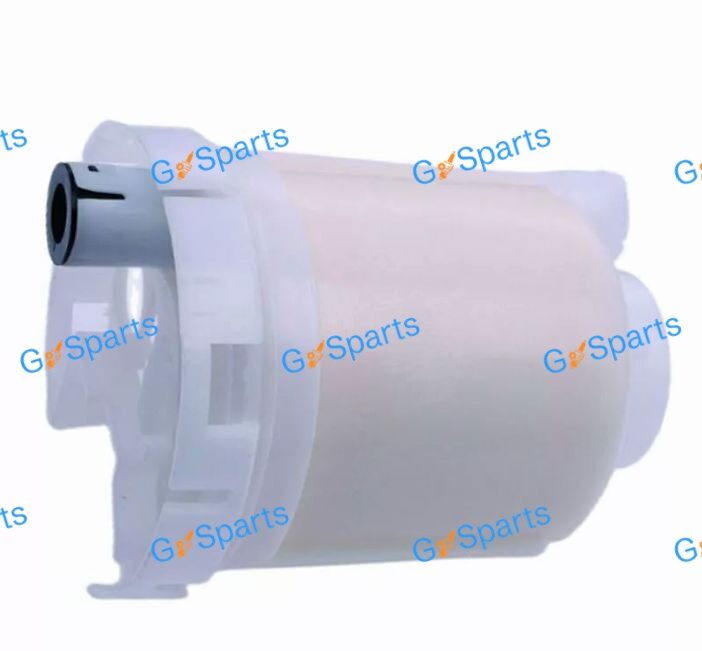
Premium & Long-Life Assurance — Genuine Toyota Fuel Filter 23300-21010
Toyota Fuel Filter 23300-21010 – Toyota Corolla / Camry / Echo / Solara / Matrix / Highlander (legacy years) ensures clean, consistent fuel delivery for quiet idle and confident acceleration across popular Toyota platforms. High-capacity media captures fine particulates without choking flow, protecting pumps and injectors while stabilizing rail pressure. OE-accurate fittings simplify installation and reduce leak risk in aging systems. Durable, corrosion-resistant construction stands up to winter salts and heat cycles. Confirm coverage by VIN or engine code, then replace per schedule or at the first signs of hesitation, long cranks, or power loss. Preserve drivability, extend component life, and keep your legacy Toyota running smoothly
Did you like this product? Add to favorites now and follow the product.

(+86) 180 07 12 47 38 WhatsApp, Telegram, WeChat
Description
The Toyota Fuel Filter 23300-21010 is engineered to provide superior filtration performance for Toyota Corolla / Camry / Echo / Solara / Matrix / Highlander (legacy years). It captures harmful particles and debris, preventing injector wear and supporting efficient combustion. Built to Toyota OEM specifications (In-tank filter assembly (gasoline); requires pump module removal), this filter ensures dependable performance and fit. Cross-compatible with WAJ & others (gasoline), it is designed to meet the demands of Toyota’s diesel and gasoline systems up to 2025. Recommended replacement follows Toyota service intervals, though some in-tank filters are lifetime units. Notes: Gasoline in-tank filter; confirm serviceability per VIN.
Legacy Platform Overview and Why Upstream Cleanliness Still Matters
Toyota’s golden-era compacts and crossovers built their reputations on quiet reliability, modest running costs, and drivetrains that simply refuse to complain. That poise depends on disciplined fuel hygiene, because even small amounts of rust, tank varnish, or filler-neck dust can scar injector needles and nudge trims. The in-tank assembly was engineered to keep those threats upstream so throttle stays linear and cold starts feel decisive. Selecting Toyota Fuel Filter 23300-21010 restores that design intent in legacy Corolla, Camry, Echo, Solara, Matrix, and early Highlander applications. With Toyota Fuel Filter 23300-21010 seated correctly, the pump draws smoothly, the regulator calms down, and the vehicle returns to that “nothing to notice” composure owners love.
VIN Confirmation, Build Nuance, and Serviceability Reality
Nameplates span multiple engines, harness plugs, and tank module geometries across years and regions. Before shopping, decode the VIN, confirm engine family, and check catalog notes for serviceability differences—some trims use lifetime elements while others accept replacement. That clarity prevents near-fits that rattle, seep, or misalign the level sender sweep. Once the module style is confirmed, ordering becomes simple, and priming, torque, and seal checks turn into a predictable routine. In short, doing the paperwork first guarantees the part is a solution, not a science experiment. For gasoline variants that accept a serviceable module, Toyota Fuel Filter 23300-21010 is the OE-pattern reference that brings the low-side back on spec.
In-Tank Architecture and Why It Improves Consistency
Module integration locks down pump acoustics, pickup height, and regulator behavior through temperature swings and steep ramps. Compared with old external canisters, the assembly keeps harmonics outside the cabin and holds pressure drop where calibration expects it. That is how an aging commuter still feels modern in traffic: the low-side is boringly stable, so the high-pressure side doesn’t have to compensate. The result is quiet pump tone near empty, smooth decel fuel cut, and a throttle that acts like a rheostat. When replacement is appropriate for your VIN, Toyota Fuel Filter 23300-21010 preserves those relationships, and Toyota Fuel Filter 23300-21010 helps the system behave as engineers intended on mixed city-highway loops.
Typical Contaminants and the Case for Prevention Over Cure
Even reputable stations can deliver microscopic oxide flakes, wind-blown dust, and polymer shavings from aging hoses. Add condensation after seasonal swings and you have the recipe for varnish and abrasion that distort spray patterns. Upstream interception is cheaper than injector cleaning and far kinder to catalysts. Renewing the element inside the module restores the calibrated restriction that keeps rail targets steady under load. Owners usually notice quicker morning stabilization, less odor after short trips, and fewer tiny hesitations at hot restarts. When the maintenance plan allows it, Toyota Fuel Filter 23300-21010 is the quiet insurance that lets an older Toyota feel like itself instead of a car compensating for delivery noise.
Driveability, Tip-In, and Emissions Stability You Can Feel
Refinement lives in micro-moments: clean garage-ramp creep, calm merges, and decisive midrange passes without a surge or flat spot. Low-side restriction forces longer injector pulses, nudging long-term trims and converter temperature. Resetting the baseline returns authority to the ECU so the car stops chasing a moving target. After service, owners report steadier idle with the A/C cycling and monitors that close faster before inspections. Because the upstream fix is invisible, the only proof should be the way the car behaves. Installing Toyota Fuel Filter 23300-21010 is exactly that kind of invisible correction—one that makes everything else feel normal again without drama.
Condition-Led Intervals Instead of Calendar Habits
Handbooks provide a baseline, yet dusty shortcuts, coastal humidity, short-hop errands, and long hot idles compress reality. Practical cues include slightly longer cranks after sitting a week, faint pump tone at low tank, or subtle hesitation exiting a parking space. Tie service to life—pre-trip prep, seasonal heat waves, or inspection windows—so upstream hygiene never slips. Keep notes on fuel sources and ambient temperatures to sharpen the next date. If your VIN indicates a replaceable assembly, Toyota Fuel Filter 23300-21010 becomes an easy win: a small part of a bigger rhythm that protects time, budget, and the quietly satisfying feel of a sorted commuter.
Preparation, Safety, and Clean-Bench Discipline for In-Tank Work
Fuel work rewards calm setups. Ventilate the space, disconnect the battery per manual guidance, relieve pressure carefully, and protect trim with absorbent pads. Photograph harness routing, label connectors, and stage lint-free wipes for sealing lands. Replace flattened tank gaskets instead of gambling on tired elastomers. Capture drain-off in a clear container to spot water layers or glitter; those clues refine future intervals. A tidy bench means the module opens once, seats once, and primes without drama. When your application supports it, a fresh Toyota Fuel Filter 23300-21010 will only be as good as the cleanliness of the hands and surfaces that install it.
Accessing the Module Without Stressing Plastics or the Sender
Lock rings, fragile tabs, and level sender floats don’t forgive brute force. Use the correct tools, keep the assembly upright, and clean threads and tank channels before re-torquing. Verify the float’s sweep is unobstructed and that harnesses don’t chafe on reassembly. Index marks exist for a reason—pickup geometry matters on steep driveways and long grades. A carefully seated unit eliminates low-fuel aeration and summer vapor odors. With patience, the job becomes deliberate rather than stressful, and the first key-on prime tells you everything seated squarely. That’s how Toyota Fuel Filter 23300-21010 can quietly support years of uneventful starts and smooth throttle transitions.
Seating, Seals, and Torque Values that Prevent Comebacks
Perfect media fails if the sealing land is dirty or the lock ring is over-torqued. Wipe until spotless, lightly lubricate specified O-rings, and torque to spec so thermal cycles don’t loosen the joint. Confirm alignment tabs are home and that the harness strain relief sits as designed. After a warm-up, inspect with bright light and a nose; dry metal and a neutral scent are success signals. This is where most “mystery” weeps and intermittent air come from—not the part, but the process. Installed with discipline, Toyota Fuel Filter 23300-21010 stays invisible, which is the highest compliment an upstream component can earn on a daily driver.
Priming, First Start, and Data-Backed Validation
Cycle ignition to prime, check for seepage, and then start to a warm idle. Where supported, watch short- and long-term trims settle near baseline and verify commanded versus measured pressure during a gentle drive cycle. The car should feel boring in the best way—no micro-surges, crisp tip-in, and steady cruise. Document the outcome with mileage, ambient conditions, and notes on fuel source so the next interval is evidence-based, not a guess. If your application calls for it, Toyota Fuel Filter 23300-21010 delivers this “numbers match feel” moment, turning a Saturday service into months of quiet confidence.
Distinguishing Filtration Noise from Other Look-Alike Faults
Stumble and hesitation aren’t always fuel. Weak coils, MAF drift, vacuum leaks, and EVAP faults can mimic starvation. Patterns help: restriction worsens with sustained load; air ingestion causes rhythmic surging; ignition faults are sharper and may throw codes. Reduce variables by restoring upstream integrity first, then test subsystems with clean data. That order saves hours and avoids the parts roulette that inflates cost without fixing roots. If serviceability applies to your VIN, installing Toyota Fuel Filter 23300-21010 is the logical first step before chasing sensors that were only compensating for delivery noise.
Fuel Quality Habits That Multiply the Value of Upstream Care
Prefer high-turnover stations, avoid topping up during tanker drops, and keep the cap seal healthy to reduce moisture ingress. If the car sits, rotate fuel and use stabilizer per guidance; more isn’t better with additives. Those habits lower contaminant load so media lasts longer and priming remains brisk. After service, monitor for odors after hot soaks and for any change in pump tone near empty—small tells that keep your interval sensible. For applicable models, Toyota Fuel Filter 23300-21010 thrives when the fuel it sees is already decent, turning good habits into great outcomes.
Idle Quality, Atomization, and Tailpipe Cleanliness on Older Gasoline Engines
Fine atomization turns into quiet idle, tidy tip-in, and converter-friendly combustion. Abrasive fines nick injector seats, skewing spray and forcing richer corrections that warm catalysts. Resetting upstream conditions guards those orifices so the mixture stays honest under A/C loads and short-trip cycles. Drivers usually notice quicker stabilization on cold mornings and less “busy” behavior during low-speed maneuvers. That’s how an old favorite keeps feeling young. Where replacement is supported, Toyota Fuel Filter 23300-21010 is a straightforward way to defend spray geometry you’ll never see but always feel through the steering wheel and throttle pedal.
NVH, Cabin Calm, and the Perception of Quality
Noise, vibration, and harshness are not just suspension topics. A struggling low-side feed adds pump harmonics and the faint surges passengers perceive as “busy.” Quieting the fuel path lowers the cabin noise floor, making the whole car seem better insulated, even when nothing else changed. That is the kind of refinement owners remember after a road trip: fewer corrections, softer conversations, and a sense that the car is “just easy.” When your specific platform allows it, fitting Toyota Fuel Filter 23300-21010 is a practical move toward that outcome, because it removes one of the sneakiest sources of perceived cheapness—upstream fuss.
Urban Errands, Suburban Loops, and Mountain Grades Compared
Stop-and-go grids test hot restarts and creep control; suburban routes highlight gentle tip-in; long grades demand steady delivery at heat and altitude. A healthy in-tank module lets the high-pressure side live inside its design envelope across all three. You’ll notice less throttle feathering to mask hiccups and a steadier pull at highway climbs. That coherence proves the upstream path is in order. If your VIN indicates a replaceable assembly, Toyota Fuel Filter 23300-21010 is the part that helps make those diverse routes feel like one consistent experience rather than three different cars with three different quirks.
Towing, Payload, and Summer Heat-Soak Scenarios
Family cargo, trailers, and high ambient temperatures raise demand and thin fuel, punishing marginal restriction and weak seals. That’s when long grades reveal aeration as a subtle stutter most drivers blame on “old age.” Preparing before the season with a correctly seated module reduces pump current, stabilizes rail pressure, and keeps response crisp in traffic. The result is boring in the best way: you’ll forget about the fuel system for months. When your platform supports service, Toyota Fuel Filter 23300-21010 is a modest investment that prevents roadside frustration on the year’s hottest, busiest days.
Sourcing Confidence and Avoiding Counterfeit Pitfalls
Look-alike parts can copy housings while missing on media density, seam bonding, or inlet geometry. Those shortcuts show up later as early restriction, internal shedding, or slow weeps. Buy from reputable channels, match printing and plastics to known-good references, and inspect gasket feel before installation. If a detail seems off, don’t let it into the tank. Correct sourcing means one clean service and months of calm driving. For eligible models, Toyota Fuel Filter 23300-21010 is the safe specification baseline, and staying with trustworthy equivalents keeps the pressure-drop curve where the ECU expects it.
Sealing Surfaces, Lock Rings, and Vapor-Leak Prevention
Filtration can be perfect and still fail the owner if sealing is compromised. Replace flattened tank gaskets, clean lock-ring threads, and torque evenly so thermal cycles don’t open a path for vapors that trigger codes or warm-weather odors. After reassembly, run to temperature and reinspect with bright light. Neutral scent and a dry perimeter mean the job is truly finished. Skipping those minutes creates hours of intermittent troubleshooting later. When your application takes it, Toyota Fuel Filter 23300-21010 rewards careful sealing with long stretches of undisturbed operation and an interior that smells like, well, nothing at all.
DIY Confidence Versus Professional Speed and Warranty
Capable owners with the right tools, lighting, and patience can service an in-tank module cleanly; others may prefer a shop for speed, documentation, and liability. Either route benefits from clarity: bring the verified part, ask for pre/post trim snapshots, and keep the old strainer for inspection. Turning maintenance into evidence builds confidence—for you now and for a future buyer later. On platforms that support it, specifying Toyota Fuel Filter 23300-21010 removes guesswork, aligns with published torque values, and gives technicians a familiar target for quality control checks.
Inspection Readiness and Smooth Compliance
Regions that rely on OBD readiness reward vehicles whose trims settle quickly and stay stable across varied trips. Delivery noise delays closure or nudges thresholds that light the MIL at inconvenient moments. Restoring upstream conditions a couple of weeks before a test gives the ECU time to relearn calmly. Expect cleaner cold starts, steadier idle, and a more predictable pass. If your VIN allows servicing, Toyota Fuel Filter 23300-21010 is a strategic pre-inspection step that turns “hope” into “we already verified the numbers on Tuesday.”
Recordkeeping, Service Rhythm, and Resale Storytelling
Great logs make great cars. Capture date, mileage, supplier, ambient conditions, torque notes, and post-service observations. Snap a photo of trims and the drained sample if applicable; those little artifacts explain decisions next year. Buyers reward evidence with stronger offers because it signals care, not crisis. For platforms that take it, Toyota Fuel Filter 23300-21010 becomes a recognizable anchor in that folder—part code, invoice, and notes that say, “we fixed causes, not symptoms.”
Environmental Stewardship and Clean Handling
Contain drips, bag used components, and dispose of fuel-soaked materials per local rules. Cleaner upstream delivery reduces misfires and soot, extending catalyst life and lowering neighborhood emissions. Servicing on condition rather than in panic also cuts shipping churn and return waste. The planet benefits when cars run right the first time, and wallets do too. On vehicles where replacement applies, choosing Toyota Fuel Filter 23300-21010 and installing it cleanly is a small, practical step toward both sustainability and serenity behind the wheel.
Cold-Weather Starts, Water Control, and Additive Discipline
Winter thickens fuel and invites condensation, especially on lightly used cars with half-filled tanks. Keep caps sealing, park with sensible levels, and dose additives precisely if recommended—excess can upset lubricity and deposit behavior. A healthy upstream element protects tight clearances during the first seconds of cranking and stabilizes idle as temperatures rise. If your module is serviceable, Toyota Fuel Filter 23300-21010 supports confident mornings when batteries are tired and patience is shorter than the weather forecast.
Hot Idling, Vapor Handling, and Summer Sanity
Extended idling in heat raises tank temperature and stresses seals. A recent, properly seated module keeps restriction modest as media loads so the pump doesn’t cavitate leaving a queue. Combine that with intact return lines and you’ll avoid the faint fuel scent that undermines perceived quality. For owners who commute through traffic or wait at school pickup lines, the payoff is simple: a calm, consistent car. When replacement is appropriate, Toyota Fuel Filter 23300-21010 is one of the least expensive ways to keep summer drives uneventful.
Fleet Standards, Uptime Planning, and Budget Control
Across multiple vehicles, tiny improvements compound. Standardize torque values, stocking lists, and interval triggers so nobody guesses at the curb. Align upstream service with tire rotations or brake checks to prevent misses. Expect fewer emergency tows, steadier economy, and drivers who stop compensating for laggy tip-in. For compatible units, adopting Toyota Fuel Filter 23300-21010 as the reference part streamlines training and purchasing, turning a consumable into a lever for reliability.
Final Guidance and Confident Next Steps
Reliability isn’t luck; it’s a repeatable routine: verify by VIN, confirm serviceability, prepare cleanly, seat and torque correctly, prime thoughtfully, and validate with a short mixed drive while watching trims. If drivability has dulled or a busy season looms, restore upstream integrity first so every other diagnostic rests on a solid foundation. Where your platform supports servicing, Toyota Fuel Filter 23300-21010 is the quiet fix that brings back decisive starts, linear throttle, and that unmistakable Toyota ease—mile after confident mile.
External Resources (Authoritative)
- Fuel Filter — Wikipedia
- Bosch Automotive: Fuel Filters
- MAHLE Aftermarket: Fuel Filters
- MANN-FILTER Tech: Fuel Filters
- Parker Hannifin: Fuel Filtration
- DieselNet: Fuel Filters & Water Separators
- ICCT: Transportation Fuels & Quality
- US DOE: GDI Engine Basics
- EPA: Vehicle & Engine Emissions (Fuel Quality Context)
- SAE International — Standards (Fuel Systems)
Internal Links — G-Sparts (Fuel Filters)
Related products



G-SPARTS – Leading Auto Parts Supplier Since 2009
Trusted by 1000+ Clients Worldwide | Chinese (BYD, Geely, Chery, …), Japanese (Toyota, Honda, Nissan, …), European (BMW, Mercedes, VW, …) & American (Ford, Chevrolet, Tesla, …) Car Spares | Best Prices & OEM Quality | 15+ Years Expertise | Professional Team, Fast Global Shipping
Copyright 2025 © G-Sparts All Rights Reserved. | Premium Chinese Auto Parts Supplier – Worldwide Shipping | Best Prices on OEM & Aftermarket Spares

Reviews
There are no reviews yet.