
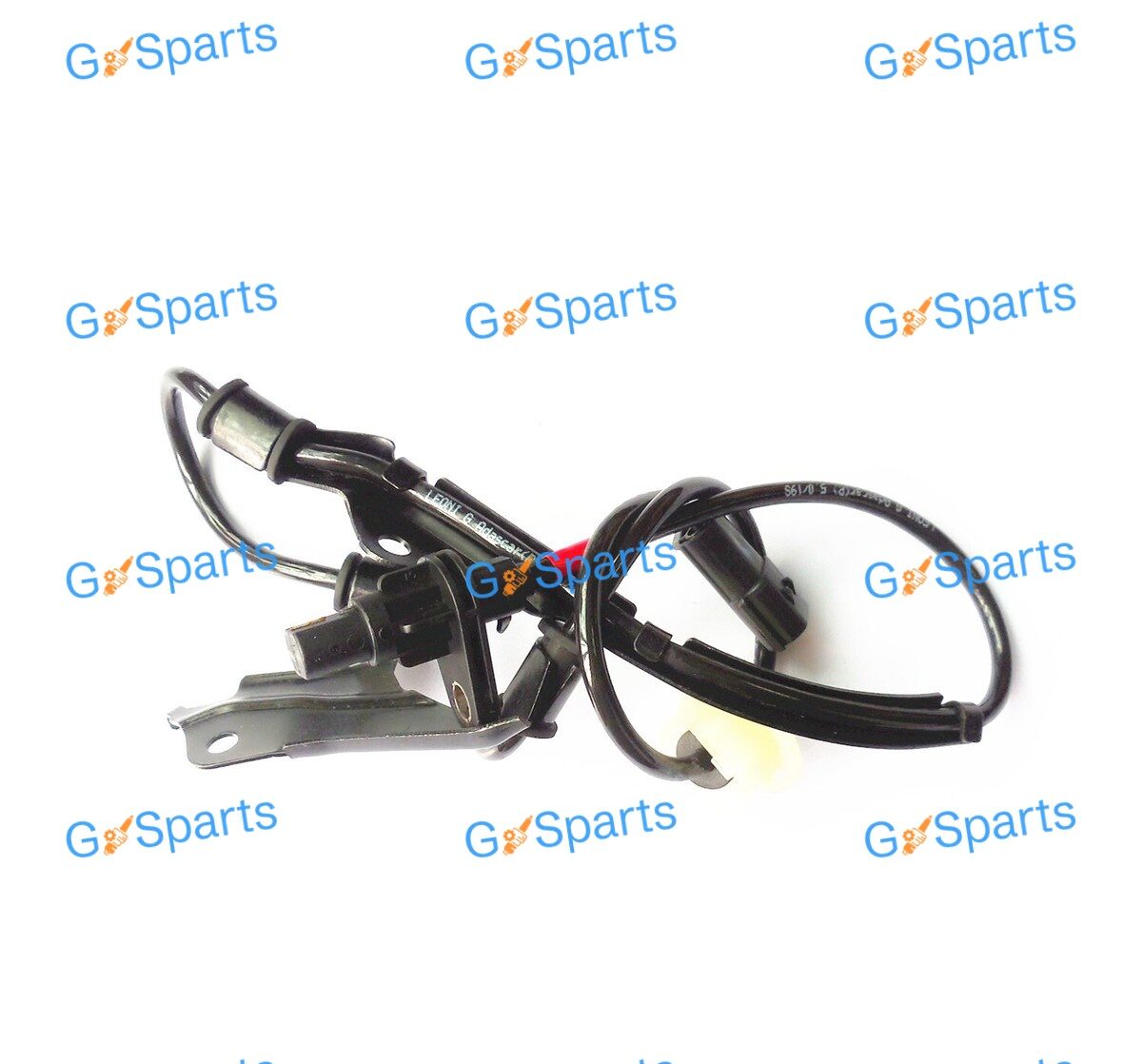
Genuine BYD ABS Sensor BYDEG-3630200 – F3, F6, G3, L3 (2010–2025)
BYD ABS Sensor BYDEG-3630200 for BYD F3, F6, G3, L3 (2010–2025). Trusted magnetic design for ABS accuracy.
Did you like this product? Add to favorites now and follow the product.

(+86) 180 07 12 47 38 WhatsApp, Telegram, WeChat
Description
The ABS Sensor (OEM BYDEG-3630200) is compatible with BYD F3, F6, G3, and L3 vehicles from 2010 to 2025. Produced by Bosch, Denso, and Standard Motor Products, this 2-wire magnetic sensor is built for precision and durability. It provides accurate data to the ABS system for safe braking. Always confirm fitment with your vehicle VIN before purchase.
Intelligent Braking Begins With Trusted Data
Modern anti-lock braking thrives on clean, consistent wheel speed information, and that’s exactly where the BYD ABS Sensor BYDEG-3630200 proves its value. When the control unit receives stable pulses from each wheel, it can modulate hydraulic pressure with finesse, preventing lock-up while maintaining steering authority. Accurate sensing keeps you in command on wet cobblestones, dusty work sites, or polished concrete garages, transforming unpredictable surfaces into manageable moments. Drivers feel calmer pedal feedback, straighter stops, and fewer intrusive interventions from traction systems. For service professionals, dependable sensing reduces comebacks and turns diagnostics into a clear, repeatable process. In short, restoring precise wheel speed input is the fastest way to reclaim confident braking and day-to-day drivability across seasons.
How ABS Converts Motion Into Measured Control
At the heart of brake control is a simple idea: measure rotational speed, then adjust pressure before a tire slides. The BYD ABS Sensor BYDEG-3630200 sits near an encoder ring, reading magnetic or toothed patterns as the wheel turns. Those patterns become electrical signals whose frequency maps directly to speed. The controller compares each corner, trims pressure at the first hint of slip, and then reapplies it to maximize grip. This rapid, granular feedback loop depends on clean signal amplitude and timing. With the right sensor in place, the loop tightens, interventions feel subtle rather than abrupt, and stopping distances improve on mixed-grip pavement where milliseconds count most.
The Real-World Payoff of Accurate Sensing
A strong braking system is more than big rotors and good pads; it’s the harmony between mechanics and electronics. The BYD ABS Sensor BYDEG-3630200 feeds the controller with a waveform that stays stable as temperatures swing and vibration rises, allowing the algorithm to work at peak precision. In practice, that means smoother pedal modulation on uneven streets, better lane-keeping during panic stops, and less tire scrub in emergency maneuvers. That same accuracy supports other features—hill-hold, brakeforce distribution, and traction control—so the vehicle feels poised rather than reactive. When drivers describe a car as “calm under pressure,” what they’re noticing is a sensing network doing its quiet, essential job.
Early Clues That Point to Sensor Fatigue
Intermittent warning lamps, traction control stepping in too early, or faint pedal pulsing during gentle stops often trace back to signal irregularities. The BYD ABS Sensor BYDEG-3630200 solves the root cause by restoring a clean, consistent reading from the wheel end. Before replacement, inspect for rust buildup at the mounting face, cracked harness insulation near suspension pivot points, or metallic grit collecting on the pickup head. These issues widen the air gap or contaminate the magnetic field, distorting the signal. If cleaning doesn’t stabilize live data, replacement is both pragmatic and efficient. Once installed, drivers typically notice fewer surprises and a return to the serene, straight stops they expect.
Build Quality That Withstands Harsh Environments
Wheel wells face heat soak from brakes, pressure-washing, road salt, gravel impacts, and constant vibration. The BYD ABS Sensor BYDEG-3630200 is engineered with robust potting compounds, corrosion-resistant terminals, and abrasion-tolerant cable jackets that preserve integrity under these stresses. A rigid, precisely machined housing keeps the pickup face parallel to the encoder, maintaining the designed air gap even as components expand and contract. Stable magnetics protect signal amplitude so the controller sees rotation rather than noise. These material choices aren’t luxuries; they’re the difference between a warning light that returns with the first storm and a repair that disappears into the background, mile after mile.
Fitment Confidence and Compatibility Considerations
Correct geometry is as important as a correct connector, which is why the BYD ABS Sensor BYDEG-3630200 is built to align with OE-style locators and mounting depths. During service, compare the hub and knuckle to the opposite corner, verify the encoder ring is intact, and confirm that mating surfaces are clean and flat. Proper seating eliminates tiny tilts that can widen the air gap under heat, which would weaken signal strength at lower speeds. Technicians appreciate when parts drop in without persuasion, preserve harness slack through full steering angle, and click into factory clips. The right fit accelerates the job and protects long-term signal quality.
Installation Prep That Prevents Comebacks
A few disciplined steps ensure success: safely support the vehicle, remove the wheel, and clean the sensor bore with a non-marring brush. The BYD ABS Sensor BYDEG-3630200 should slide into a rust-free seat, with the O-ring lightly lubricated if specified. Torque fasteners evenly to avoid cocking the pickup face, and route the harness exactly along factory clips to prevent chafe. Before reinstalling the wheel, spin the hub and view live data to confirm smooth, proportional readings. These small checks pay dividends, turning a warning-light complaint into a tightly executed repair that restores confidence and keeps your schedule free of preventable returns.
Air Gap, Encoders, and the Geometry of Accuracy
Signal strength and clarity live in the tiny space between pickup and encoder. The BYD ABS Sensor BYDEG-3630200 is designed to hold that gap precisely, but accumulated rust or a bent tone ring can still spoil the result. Inspect the encoder for cracked magnetic stripes or deformed teeth, and verify hub runout is within spec so the gap doesn’t vary once the wheel turns. If geometry is off, correct the mechanical issue first; then install the new sensor. With a clean ring and proper spacing, the controller receives the crisp pulses it needs to trim brake pressure gently and keep the vehicle composed.
Harness Routing: Small Details, Big Impact
Electrical reliability depends on mechanical sympathy. The BYD ABS Sensor BYDEG-3630200 arrives with leads designed to flex through suspension travel, but they still require thoughtful routing. Follow OE clip positions, maintain gentle bend radii, and avoid contact with hot components or sharp edges. Misrouted cables can chafe invisibly for months, then emerge as maddening intermittent faults. During reassembly, cycle steering lock-to-lock and compress the suspension slightly to confirm the harness stays relaxed. Protecting the cable today preserves signal quality tomorrow, ensuring the sensor’s clean waveform reaches the controller uncorrupted across seasons and road conditions.
Cleanliness and Contamination Control
Metallic dust, mud, and road salt can cling to the pickup face and weaken magnetic coupling. The BYD ABS Sensor BYDEG-3630200 delivers consistent output, but routine wheel-end hygiene helps preserve that performance. During brake service, rinse wheel wells, remove rust scale from mounting surfaces, and confirm fender liners and splash shields are intact. After deep snow or gravel roads, a quick inspection for debris around the sensor can head off future noise in the signal. When contamination persists or the film inside the old unit has aged, replacement removes the variables, returning the system to a known-good baseline that the controller can trust.
How Precise Signals Improve Traction Control
Traction systems compare minute speed differences and intervene with small corrections. The BYD ABS Sensor BYDEG-3630200 supports that finesse by providing a stable, low-jitter signal the moment a wheel begins to spin. Instead of abrupt torque cuts that stall progress, the module trims power smoothly and applies brake pressure in tiny steps. Drivers feel steady forward motion on wet crosswalk paint, gravelly shoulders, or damp cobblestones, rather than a series of lurches. That quiet competence comes from algorithms fed with dependable data, proving that a high-quality sensor not only shortens stops but also makes launches and mid-corner throttle inputs more predictable.
Stability Control Relies on the Same Foundation
Electronic stability control compares steering input, yaw rate, and wheel speeds to decide where to brake and how much torque to pull. The BYD ABS Sensor BYDEG-3630200 strengthens this foundation by keeping rotational readings consistent across corners, even as temperatures swing or loads shift. With cleaner inputs, interventions feel transparent—nudges rather than grabs—and drivers can keep their chosen line with confidence. On windy highways, rain-polished roundabouts, or sudden lane changes, that subtlety translates into a calmer cabin and fewer surprises, showcasing how essential reliable wheel speed sensing is to the entire safety ecosystem.
Protecting Pads, Rotors, and Tires Through Control
Unnecessary ABS cycling overheats pads, leaves rotor hot spots, and scuffs tires, increasing noise and replacement costs. By delivering crisp wheel speed data, the BYD ABS Sensor BYDEG-3630200 lets the controller apply only as much correction as needed, reducing heat spikes and extending component life. Over time, owners notice quieter braking, more even pad wear, and tread that stays true after emergency stops. The savings aren’t just theoretical; they show up in longer service intervals, fewer nuisance noises, and a brake pedal that retains its consistent feel month after month.
Seasonal Performance and Corrosion Resistance
From freezing dawn commutes to heat-soaked afternoons, components expand, contract, and face moisture in every form. The BYD ABS Sensor BYDEG-3630200 is built with seals and materials that resist water ingress, salt spray, and UV exposure, preserving signal stability across the seasons. When spring pollen, summer dust, or winter slush invade wheel wells, a well-sealed sensor continues reporting accurately. Pair that resilience with smart maintenance—rinsing wheel wells, replacing broken clips, and inspecting after storms—and you’ll keep the brake controller’s decision-making sharp in the conditions that challenge traction the most.
Reading Live Data for Fast, Confident Diagnosis
A quick scan can turn a hunch into a plan. The BYD ABS Sensor BYDEG-3630200 simplifies post-install validation because its output tracks speed smoothly and evenly at walking pace. Compare all four corners during a crawl, watch for synchronized traces during gentle S-turns, and confirm traction control trims torque with small, rapid corrections on low-grip patches. Clean, repeatable graphs prove the repair succeeded. For shops, those graphs reduce callbacks; for owners, they provide reassuring evidence that the vehicle will behave predictably when braking matters most.
Professional vs. DIY: Choosing the Right Path
Confident DIYers can replace a wheel sensor with the correct tools, patience, and attention to routing. The BYD ABS Sensor BYDEG-3630200 rewards careful work by seating accurately and producing a clean signal immediately. Professionals add oscilloscope validation, hub runout checks, and faster identification of encoder defects that can masquerade as sensor faults. Either path can succeed when fundamentals—clean surfaces, proper torque, correct air gap, and good harness support—are respected. The best choice often depends on access to tools and comfort with live data verification after installation.
Fleet, Rideshare, and Commercial Value
Vehicles that earn their keep need predictable uptime and consistent behavior across drivers and routes. The BYD ABS Sensor BYDEG-3630200 delivers repeatable results that technicians can validate quickly, minimizing downtime and simplifying training. Standardizing on dependable, application-correct components reduces inventory complexity and avoids the hidden costs of intermittent faults that consume diagnostic hours. For fleets operating across climates, robust sealing and stable magnetics translate into fewer surprises during seasonal transitions, keeping vehicles confident, compliant, and ready for daily duty without drama.
Total Cost of Ownership: The Hidden Math
Chasing intermittent wheel speed faults is expensive—time spent scanning, test-driving, and rechecking harnesses adds up. The BYD ABS Sensor BYDEG-3630200 lowers that burden by restoring a clean baseline the first time, reducing nuisance interventions that heat pads and rotors and shortening the path to a verified fix. Over months, the benefits multiply: fewer returns, longer consumable life, and drivers who trust the car under pressure. When you weigh purchase price against predictable outcomes, the quality option often becomes the most economical choice.
Road Test Routine That Confirms Success
A structured test transforms guesswork into certainty. After installation of the BYD ABS Sensor BYDEG-3630200, begin with a slow roll to verify all four corners report evenly, then execute a series of medium stops on clean pavement. Add a gentle stop on a split-grip surface and a controlled low-grip launch to confirm traction control acts smoothly. Watch live data for synchronized speeds and absence of jitter. This routine takes minutes and prevents preventable comebacks, ensuring that the vehicle returns to service with its safety systems working as designed.
Troubleshooting Tricky, Intermittent Faults
Some issues hide in plain sight: a slightly cocked mounting flange, a crushed O-ring that wicks moisture, or a harness routed too close to a sharp edge. The BYD ABS Sensor BYDEG-3630200 will report cleanly when geometry and sealing are correct, so re-check the basics if irregularities persist. Inspect the encoder for rhythmic defects, ensure hub bearings have no play, and verify torque on the sensor fastener. When mechanical foundations are right, electronics shine, and that’s when the new unit’s stable waveform will turn a mysterious warning into a resolved repair.
Cleaner Signals, Better Driver Confidence
Drivers judge repairs by how the car feels in ordinary moments: a composed stop on patchy asphalt, predictable pedal behavior in rain, and steering that stays alive during heavy braking. The BYD ABS Sensor BYDEG-3630200 contributes directly to that feeling by giving the controller precise inputs, enabling small, rapid corrections instead of abrupt swings. The result is a calm cabin and a sense that the vehicle is always on your side, even when conditions turn unpredictable. That confidence is the real dividend of fixing the sensing foundation correctly.
How the Sensor Supports Advanced Driver Aids
Modern platforms blend ABS with corner-brake control, hill-start assist, and brake-based torque vectoring. Each depends on timely, accurate wheel rotation data to act discreetly. The BYD ABS Sensor BYDEG-3630200 aligns with the transfer characteristics those features expect, maintaining the choreography among subsystems so interventions feel transparent. On steep parking ramps, slick roundabouts, or quick evasive maneuvers, this alignment preserves the vehicle’s calm character and protects occupants with precision rather than brute force.
Seasonal Checkups That Pay Back
As temperatures swing, rubber hardens or softens, and road debris changes. Use seasonal tire swaps or brake inspections to check harness clips, rinse wheel wells, and scan for even low-speed readings. The BYD ABS Sensor BYDEG-3630200 is resilient, but preventive attention prevents minor contamination from turning into nuisance warnings when weather gets extreme. Planning ahead before holidays or wet seasons means fewer surprises and a braking system that feels as poised in January sleet as it does in July heat.
Maintaining Encoder and Hub Health
A sensor can only read what the ring presents, which makes hub and encoder condition pivotal. The BYD ABS Sensor BYDEG-3630200 performs best with a clean, concentric ring free of cracks or missing poles. During service, spin the hub while graphing speed to catch periodic dropouts tied to rotation; address mechanical issues first, then install the new pickup. With geometry restored, the control unit regains its fine touch, and your road test will confirm even readings and smooth modulation from the first stop.
Choosing Quality Over Look-Alike Parts
Connectors can match while internals differ wildly—magnetic strength, shielding, and pickup face flatness all influence waveform quality. The BYD ABS Sensor BYDEG-3630200 prioritizes those details so that performance holds under heat, moisture, and vibration. Cheaper parts may work on day one and drift by day thirty, leading to elusive faults. For a critical safety system, predictable behavior is the only acceptable outcome, and that’s why installers who value verified results reach for components that mirror OE geometry and signal stability.
Verification With Data You Can Trust
After fitting the BYD ABS Sensor BYDEG-3630200, capture and save a short log: walking-pace rolls, gentle S-turns, and a couple of medium stops. Baselines today become invaluable references later, letting you spot changes early and separate tire, hub, or alignment issues from electronics. For fleets and data-minded owners, this habit turns maintenance into a proactive routine, keeping vehicles compliant, confidence-inspiring, and ready for the unexpected without drama.
G-Sparts Support That Simplifies Every Step
Clear fitment guidance, responsive service, and fast fulfillment shorten downtime and reduce uncertainty. The BYD ABS Sensor BYDEG-3630200 is stocked with practical documentation and real-world tips, and our team can help interpret live data quirks or encoder questions before you order. With careful packaging and reliable shipping, the part arrives ready for a clean install, not a cleanup session. That end-to-end attention ensures your path from warning lamp to verified repair feels straightforward, professional, and quick.
A Smart Purchase With Long-Term Dividends
Measured over months, a stable sensing network saves money and stress: fewer nuisance lights, less pad and rotor wear, and no time lost chasing intermittent ghosts. The BYD ABS Sensor BYDEG-3630200 embodies that value proposition by restoring a predictable signal that advanced software can trust. Pair it with disciplined installation and light seasonal care, and you’ll enjoy braking that feels premium again—calm, straight, and consistently short on every surface you face throughout the year.
Confident Conclusion and Clear Next Steps
Reliable braking depends on precise information, disciplined assembly, and components that stay true under real-world stress. The BYD ABS Sensor BYDEG-3630200 gives your control unit the clean, timely wheel speed data it needs to modulate pressure with surgical finesse, turning chaos into calm whether you’re commuting in rain or making a sudden stop on mixed surfaces. BYD ABS Sensor BYDEG-3630200 Choose quality, install carefully, validate with a short road test, and enjoy the everyday serenity that comes from a safety system working exactly as its engineers intended—quietly, predictably, and always in your favor.
External Links (ABS Sensor Education & References)
Internal Links (Keep Users on G-Sparts)
Related products


Recently Viewed Products


G-SPARTS – Leading Auto Parts Supplier Since 2009
Trusted by 1000+ Clients Worldwide | Chinese (BYD, Geely, Chery, …), Japanese (Toyota, Honda, Nissan, …), European (BMW, Mercedes, VW, …) & American (Ford, Chevrolet, Tesla, …) Car Spares | Best Prices & OEM Quality | 15+ Years Expertise | Professional Team, Fast Global Shipping
Copyright 2025 © G-Sparts All Rights Reserved. | Premium Chinese Auto Parts Supplier – Worldwide Shipping | Best Prices on OEM & Aftermarket Spares

Reviews
There are no reviews yet.